هستيريا الذكاء الاصطناعي الصيني: منافسة حقيقية أم حرب نفوذ؟
 بقلم الأدمن
موجة الذعر المتكررة
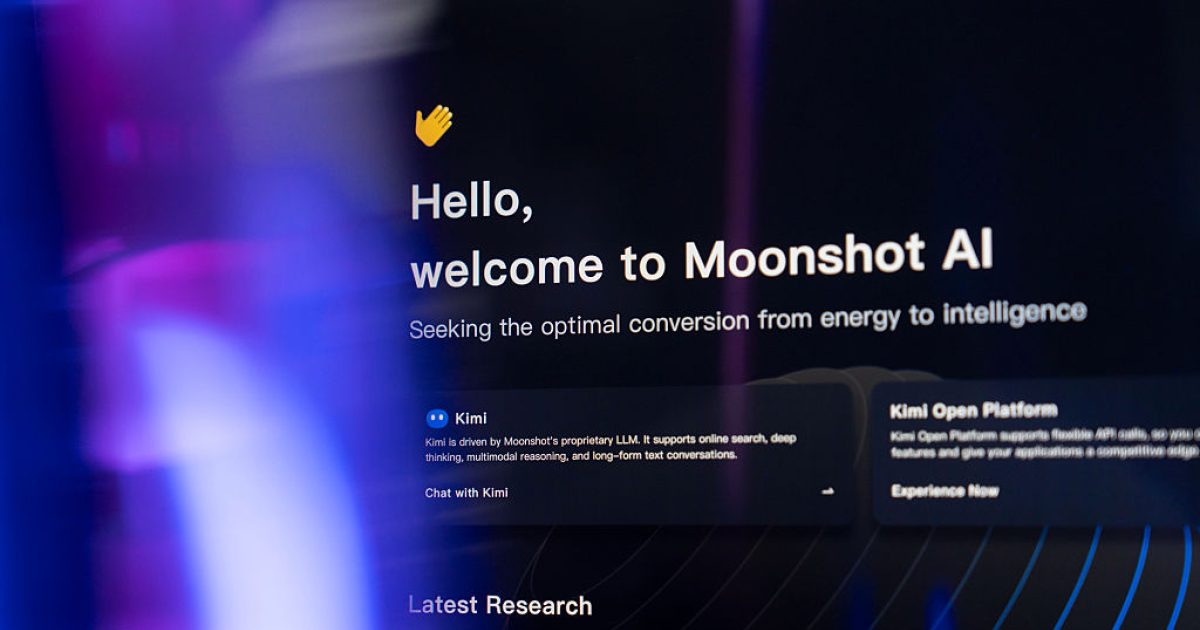
ما إن أعلنت شركة Moonshot AI الصينية عن إطلاق نموذجها الجديد Kimi، حتى عادت الأحاديث المألوفة عن التنافسية الأمريكية ومخاطر الذكاء الاصطناعي مفتوح المصدر إلى الواجهة من جديد. واللافت أن هذا الجدل لم يقتصر على منصات التواصل الاجتماعي، بل امتد وفق ما تشير إليه التقارير إلى أروقة واشنطن، حيث سعت شركات كبرى مثل OpenAI وAnthropic إلى التأثير على المنظمين بشأن مخاطر النماذج الصينية مفتوحة الأوزان.
غير أن المتأمل في هذه الموجات المتكررة من الهلع يلاحظ نمطاً ثابتاً: يصدر نموذج صيني، يُظهر أداءً تنافسياً في بعض المعايير القياسية، فيتحول قطاع التكنولوجيا إلى حالة من الاستنفار الجماعي، ثم ما يلبث الغبار أن يهدأ دون أن يتغير شيء جوهري.
عروض مبهرة بلا عمق حقيقي
من أبرز ما أثار الضجة مع إطلاق Kimi، مقاطع انتشرت على نطاق واسع تُظهر قدرة النموذج على محاكاة واجهة نظام تشغيل macOS خلال نحو ثلاثين دقيقة. وعلى الرغم من أن الأمر بدا مبهراً بصرياً، إلا أن الحقيقة أبسط مما توحي به ردود الفعل: فما أنتجه النموذج لم يكن سوى تمثيل رسومي للواجهة، لا نظام تشغيل فعلياً بأي معنى تقني.
هذا النوع من ردود الفعل المتضخمة يكشف عن حالة من التوتر الدائم داخل الصناعة، إذ يبدو أن ثمة انتظاراً مستمراً لـ«اللحظة الكبرى» التي ستقلب موازين كل شيء. وبعد أسبوع كامل من الضجة، لم يتغير المشهد التقني في جوهره.
لماذا تُضاعف كلمة «الصين» حدة الجدل؟
يرى المحللون أن إضافة البُعد الصيني إلى أي نقاش تقني يرفع درجة حرارته بشكل لافت، وهو ما يستدعي تمييزاً دقيقاً بين المخاوف المشروعة والمبالغات المدفوعة بأجندات خاصة. وتتضمن المخاوف المطروحة فعلاً ثلاثة محاور رئيسية:
- الانحياز الضمني: احتمال أن تحمل النماذج الصينية مفتوحة الأوزان توجهات مضمّنة تعكس الرؤية الصينية للعالم.
- ثغرات الأمان: مخاوف من غياب ضمانات كافية تحول دون إساءة استخدام هذه النماذج.
- سباق النفوذ التجاري: وهذا هو الأكثر حضوراً في النقاش، إذ يدور جدل حول من سيهيمن على مستقبل الذكاء الاصطناعي عالمياً.
والمفارقة أن هذا الذعر يذكّر بما جرى حول تطبيق TikTok منذ سنوات؛ ففي ذلك الوقت أيضاً لم تكن المخاوف مختلقة كلياً، لكن حجم الهيجان كان يتجاوز بكثير ما تستدعيه الحقائق المثبتة.
الحماية التنافسية أم حماية المصالح؟
ثمة سؤال جوهري يطرح نفسه بإلحاح: إذا أقدمت الولايات المتحدة على حظر النماذج الصينية مفتوحة الأوزان، فمن سيستفيد فعلاً؟ الإجابة المنطقية هي أن الشركات الأمريكية الكبرى صاحبة النماذج المغلقة ستكون المستفيد الأول، إذ سيُجبر المستخدمون والمؤسسات على اللجوء إليها بدلاً من الخيارات المفتوحة الأرخص ثمناً.
وهنا يكمن التمييز الحاسم الذي يغيب عن كثير من النقاشات: هل الهدف تعزيز تنافسية الولايات المتحدة في مجال الذكاء الاصطناعي على المستوى الوطني؟ أم أن الأمر يتعلق في حقيقته بضمان تفوق عدد محدود من المختبرات التقنية الكبرى على منافسيها التجاريين؟
وقد أسهم في إشعال هذا الجدل تحديداً منشور مطول نشره مسؤول رفيع في OpenAI يدعو فيه صراحةً إلى خلق حالة من الضبابية التنظيمية تجاه النماذج الصينية، وهو ما فسّره كثيرون باعتباره دعوة مكشوفة لتوظيف الخطاب الأمني في خدمة المصالح التجارية.
قراءة هادئة في مشهد مضطرب
لا يعني كل ما سبق أن التنافس التكنولوجي بين الولايات المتحدة والصين ليس حقيقياً أو جديراً بالاهتمام الجاد. بل إن التعامل معه بجدية يستلزم بالضبط الابتعاد عن حالات الذعر الجماعية الأسبوعية، والتمييز الدقيق بين المخاوف الأمنية المبررة ودواعي الحماية التجارية، وبين السياسات التي تخدم المصلحة الوطنية وتلك التي لا تخدم سوى نخبة ضيقة من الشركات.
الذكاء الاصطناعي ساحة تنافس استراتيجي بالغة الأهمية، لكن التعامل مع كل نموذج جديد باعتباره تهديداً وجودياً لن يُنتج سياسات رشيدة، بل سيُفضي إلى قرارات متسرعة تضر في نهاية المطاف بمسيرة الابتكار ذاته.
✦ بقلم فريق دروب أيديا
دروب أيديا - DROPIDEA
نأمل أن تكون هذه المقالة قد أضافت لك قيمة حقيقية. في دروب أيديا نسعى دائمًا لتقديم محتوى عربي عالي الجودة يساعدك على النمو والتطور في المجال الرقمي. تابعنا للمزيد من المقالات والشروحات المفيدة.
الوسوم
الأدمن
DROPIDEA
أحدث المقالات
ساعة آبل الجديدة تُطبّع فكرة أن أجهزتنا تنصت دائماً
مافن روبوتيكس تخرج من التخفّي بتمويل 100 مليون دولار لأتمتة المستودعات

وكلاء الذكاء الاصطناعي يغرقون الخدمات العامة بطلبات المواطنين

ماساتشوستس تُلزم مراكز البيانات بالطاقة النظيفة