مواطن أمريكي يُحاكَم بسبب مسح هاتفه على الحدود
 بقلم الأدمن
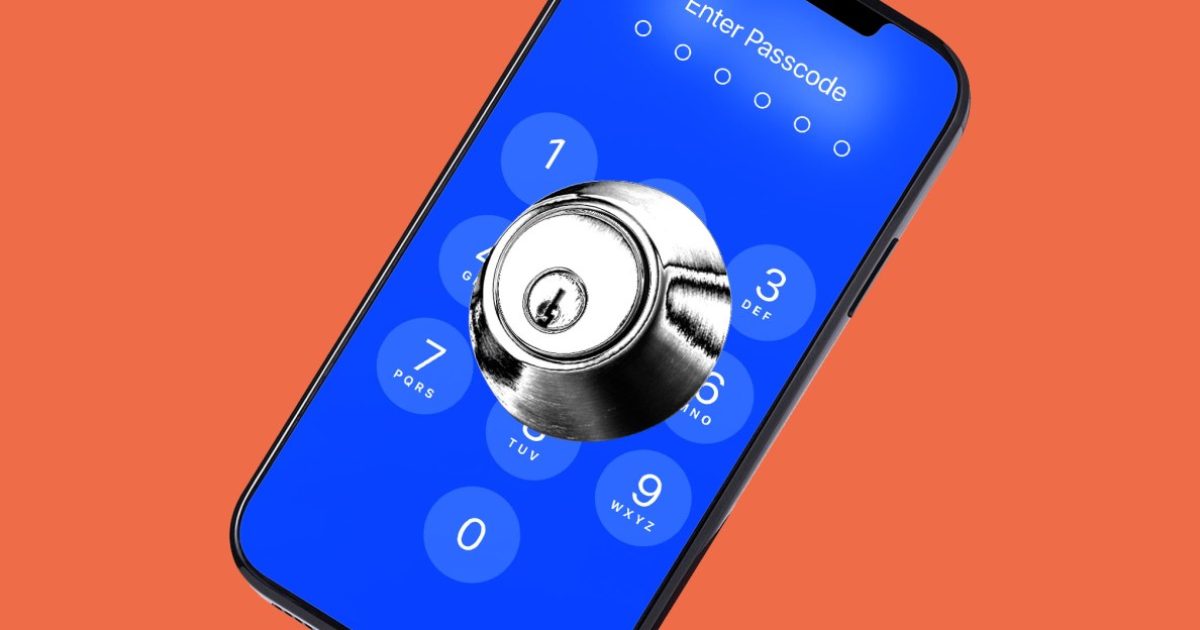
قضية تُعيد رسم حدود الخصوصية الرقمية
في سابقة قانونية لافتة تكشف عن التوتر المتصاعد بين حقوق الخصوصية الرقمية وصلاحيات السلطات الأمنية، وجّهت الحكومة الفيدرالية الأمريكية اتهامات رسمية للمواطن سام تونيك، بعد أن استخدم ميزةً في هاتفه أدت إلى مسح بياناته كلياً حين حاول عناصر فيدراليون الاستيلاء عليه داخل مطار هارتسفيلد-جاكسون في أتلانتا، في يناير 2025.
تفاصيل الحادثة
احتُجز تونيك في المطار وخضع للاستجواب من قِبل عناصر فيدراليين ادّعوا أنهم يحققون في قضية تتعلق بمحتوى إباحي يستغل الأطفال. غير أن محاميه يرفضون هذه الرواية جملةً وتفصيلاً، مؤكدين أن الاحتجاز لم يكن سوى ذريعة للتحقيق في علاقات موكّلهم بحركة «وقف مدينة الشرطة» في أتلانتا، وهي حركة احتجاجية محلية مناهِضة لإنشاء مجمع تدريب للشرطة.
وبدلاً من تسليم كلمة المرور الحقيقية لجهازه، أعطى تونيك العناصرَ ما يُعرف بـ«كلمة مرور الطوارئ»، وهي ميزة متاحة في نظام GrapheneOS المُركَّز على الخصوصية، تؤدي عند إدخالها إلى مسح محتويات الهاتف تلقائياً بدلاً من فتحه، مما حال دون وصول السلطات إلى أي بيانات مخزّنة.
الأساس القانوني للاتهام
لجأت الحكومة إلى قانون نادر الاستخدام يُجرّم إتلاف الممتلكات أو إلحاق الضرر بها بهدف عرقلة مصادرتها من قِبل الجهات الرسمية. وهذا التوجه القانوني يُفتح بابًا خطيراً يُجرّم من الناحية النظرية أي شخص يسعى إلى حماية بياناته الشخصية في مواجهة السلطات.
في المقابل، يستند فريق الدفاع إلى جملة من الانتهاكات الإجرائية الجسيمة، إذ يؤكد المحامون أن موكّلهم:
- حُرم من حقه في الاستعانة بمحامٍ خلال الاستجواب.
- لم يُبلَّغ بحقوقه القانونية.
- لم يُقدَّم له أي أمر قضائي يُجيز تفتيش هاتفه.
- جرى انتزاع موافقته تحت ذرائع مضلِّلة.
وردّت الحكومة بأن العناصر الفيدرالية لم تكن مُلزَمة بتقديم أمر قضائي، لأن تونيك لم يكن قد أتمّ إجراءات الدخول الرسمية إلى الأراضي الأمريكية بعد، وهي حجة قانونية مثيرة للجدل.
الأبعاد السياسية والمجتمعية
تأتي هذه القضية في سياق تصاعد وتيرة التدقيق في الهواتف الشخصية وحسابات التواصل الاجتماعي عند نقاط الدخول إلى الولايات المتحدة، وهو ما طال حتى المواطنين الأمريكيين الذين باتوا يتعرضون لساعات من الاحتجاز والاستجواب. وقد علّق مارلون كاوتز، أحد أعضاء صندوق التضامن في أتلانتا، على هذه القضية بالقول إن لكل شخص حق مشروع في تأمين بياناته الخاصة في مواجهة عمليات التفتيش غير الدستورية، لا سيما في ظل المناخ الراهن.
ماذا تعني هذه القضية للمستخدمين؟
تُثير هذه القضية تساؤلات جوهرية حول الحدود الفاصلة بين ممارسة الفرد لحقه في الخصوصية وبين ما تعتبره السلطات عرقلةً لعملها. وفي حين يرى المدافعون عن الحقوق المدنية أن حماية البيانات الشخصية حق دستوري لا يقبل المساومة، تسعى الحكومة إلى ترسيخ مبدأ مفاده أن مسح الجهاز قصداً يُشكّل جريمة يُعاقب عليها القانون.
وبصرف النظر عن مآل هذه القضية، فإنها تُلقي الضوء على ضرورة أن يعي كل مستخدم للتقنية حجم البيانات التي يحملها معه، وما يترتب على ذلك من مخاطر قانونية محتملة عند نقاط العبور الحدودية. وقد باتت مسألة حذف البيانات الحساسة قبل السفر موضع نقاش جاد بين خبراء الأمن الرقمي والمحامين المتخصصين في الحريات المدنية على حدٍّ سواء.
✦ بقلم فريق دروب أيديا
دروب أيديا - DROPIDEA
نأمل أن تكون هذه المقالة قد أضافت لك قيمة حقيقية. في دروب أيديا نسعى دائمًا لتقديم محتوى عربي عالي الجودة يساعدك على النمو والتطور في المجال الرقمي. تابعنا للمزيد من المقالات والشروحات المفيدة.
الوسوم
الأدمن
DROPIDEA
أحدث المقالات
ساعة آبل الجديدة تُطبّع فكرة أن أجهزتنا تنصت دائماً

مافن روبوتيكس تخرج من التخفّي بتمويل 100 مليون دولار لأتمتة المستودعات

وكلاء الذكاء الاصطناعي يغرقون الخدمات العامة بطلبات المواطنين

ماساتشوستس تُلزم مراكز البيانات بالطاقة النظيفة