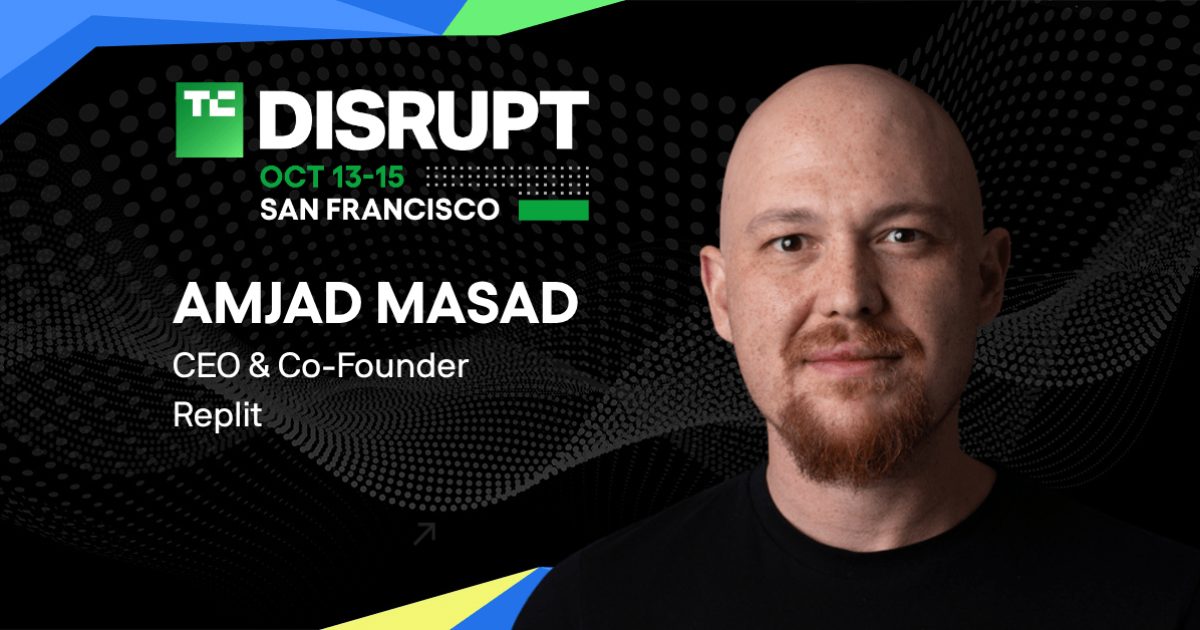
لماذا تتخلى الشركات عن استئجار الذكاء الاصطناعي وتتجه للمصدر المفتوح؟
 بقلم الأدمن

موجة جديدة في عالم الذكاء الاصطناعي
يشهد عالم الذكاء الاصطناعي تحولاً لافتاً في الأعوام الأخيرة؛ إذ لم تعد الشركات مضطرة إلى الارتباط بمزودي النماذج الكبرى ودفع فواتير شهرية مرتفعة مقابل الوصول إلى قدرات الذكاء الاصطناعي. بدلاً من ذلك، تتجه أعداد متزايدة منها نحو نماذج المصدر المفتوح التي توفر استقلالية أكبر وتكاليف أقل. هذا ما يؤكده كليمان ديلانغ، الرئيس التنفيذي لمنصة Hugging Face، استناداً إلى ما يرصده يومياً من سلوك عشرات الشركات التي تعتمد على منصته.
Hugging Face: بنية تحتية لعصر الذكاء الاصطناعي
تطورت منصة Hugging Face لتصبح ما يشبه GitHub في عالم الذكاء الاصطناعي؛ مستودعاً مركزياً يتيح لمطوري النماذج ومراكز البحث والشركات مشاركة نماذجها ومجموعات بياناتها وتنزيلها بحرية. ويبلغ حجم قاعدة مستخدميها مستويات قياسية، حيث باتت نحو نصف شركات Fortune 500 تعتمد على ما تتيحه المنصة من موارد مفتوحة. هذا الانتشار الواسع ليس مصادفة، بل نتيجة طبيعية لتحولات اقتصادية وتقنية متسارعة تعيد رسم خريطة سوق الذكاء الاصطناعي.
النمط المتكرر: من الاشتراك إلى الاستقلالية
يُلاحظ ديلانغ نمطاً يتكرر مع الشركات بصورة شبه منتظمة، ويمكن تلخيصه في ثلاث مراحل:
- مرحلة الاستكشاف: تبدأ الشركات بالاعتماد على واجهات برمجية لنماذج الحدود الأمامية كـ GPT أو Claude، وهي الأسهل والأسرع في التجريب.
- مرحلة التوسع: مع نمو الاستخدام، تتراكم التكاليف بسرعة، ويجد فريق تقنية المعلومات نفسه أمام فواتير تُثقل الميزانيات.
- مرحلة التحول: تنتقل الشركة إلى نماذج مفتوحة المصدر تُشغّلها على بنيتها التحتية الخاصة، محققةً وفورات ملموسة مع الإبقاء على مستوى أداء مقبول أو أعلى في حالات كثيرة.
هذا التسلسل يعكس حقيقة اقتصادية بسيطة: الاستئجار مريح في البداية، لكن التملك أجدى على المدى البعيد.
المخاوف من التركز وسيطرة القلة
لا يقتصر حديث ديلانغ على الجانب التجاري؛ فهو يُبدي قلقاً حقيقياً من مستقبل تتحكم فيه شركات تقنية محدودة العدد بالبنية التحتية للذكاء الاصطناعي عالمياً. ففي حين تُسوَّق النماذج المغلقة على أنها الخيار الأكثر أماناً وكفاءة، يرى أن هذا الطرح يخدم مصالح شركات بعينها أكثر مما يخدم مصالح المستخدمين أو المجتمع. ويستشهد في هذا السياق بقضية Anthropic وإيقاف إصدار Fable، باعتبارها نموذجاً يُجسّد المخاطر الناجمة عن الاعتماد المطلق على قرارات شركات ذات سلطة مركزية.
مفتوح أم مغلق: المعركة لم تحسم بعد
يبقى النقاش حول مستقبل الذكاء الاصطناعي مفتوحاً بين معسكرين: معسكر يؤمن بأن النماذج المغلقة هي الأكثر أماناً وضبطاً، ومعسكر يعتقد أن الشفافية والانفتاح هما الضمانة الحقيقية للابتكار والمساءلة. غير أن ما تكشفه بيانات Hugging Face يشير إلى أن السوق بدأ يُصوّت بصمت لصالح الخيار المفتوح، لا من باب الأيديولوجيا، بل من باب العقلانية الاقتصادية والرغبة في السيادة التقنية.
في نهاية المطاف، قد لا تكون القضية تقنية بالدرجة الأولى، بل هي قضية سيطرة ونفوذ وحرية. والشركات التي تدرك هذا مبكراً هي التي ستملك زمام قراراتها في مستقبل يتشكّل اليوم.
✦ بقلم فريق دروب أيديا
دروب أيديا - DROPIDEA
نأمل أن تكون هذه المقالة قد أضافت لك قيمة حقيقية. في دروب أيديا نسعى دائمًا لتقديم محتوى عربي عالي الجودة يساعدك على النمو والتطور في المجال الرقمي. تابعنا للمزيد من المقالات والشروحات المفيدة.
الوسوم
الأدمن
DROPIDEA
أحدث المقالات
كينابل تعيد بناء فهرسة الويب لتخدم وكلاء الذكاء الاصطناعي
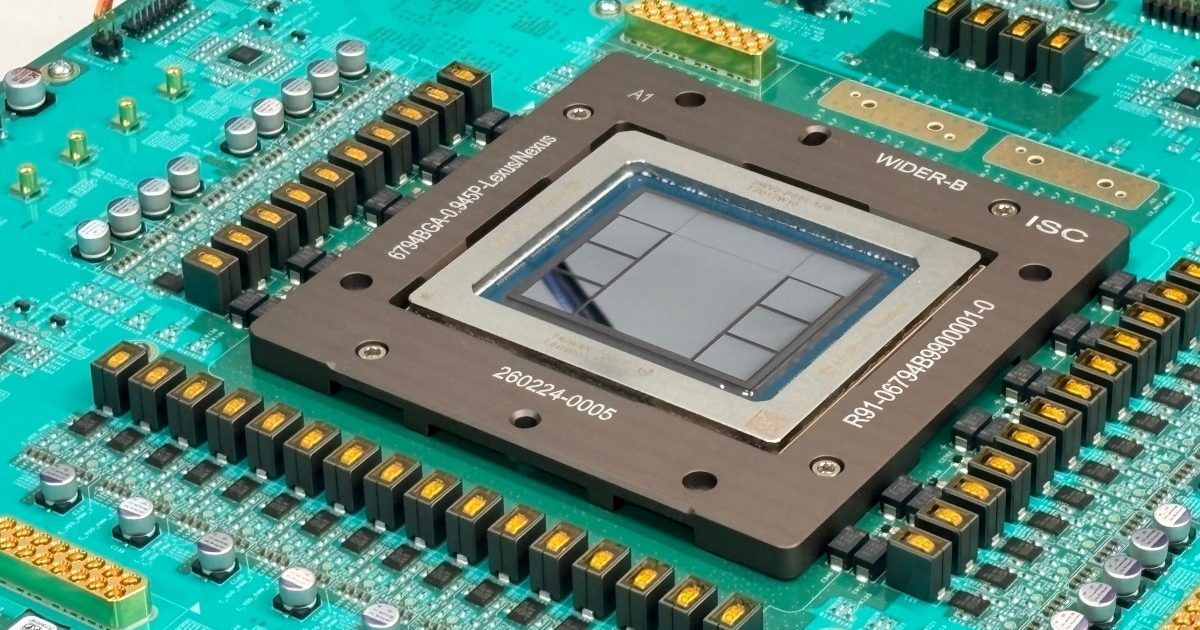
شريحة «خالابينيو» من OpenAI: أداء استدلال فائق السرعة على نطاق واسع
غاما تستحوذ على شركة التصميم الناشئة Lica لبناء مختبر أبحاث خاص

مساعد Instinct الذكي يثير مخاوف الخصوصية والأمان