واشنطن تلوّح بعقوبات على نماذج الذكاء الاصطناعي الصينية بتهمة سرقة الملكية الفكرية
 بقلم الأدمن
تصعيد أمريكي جديد في سباق الذكاء الاصطناعي
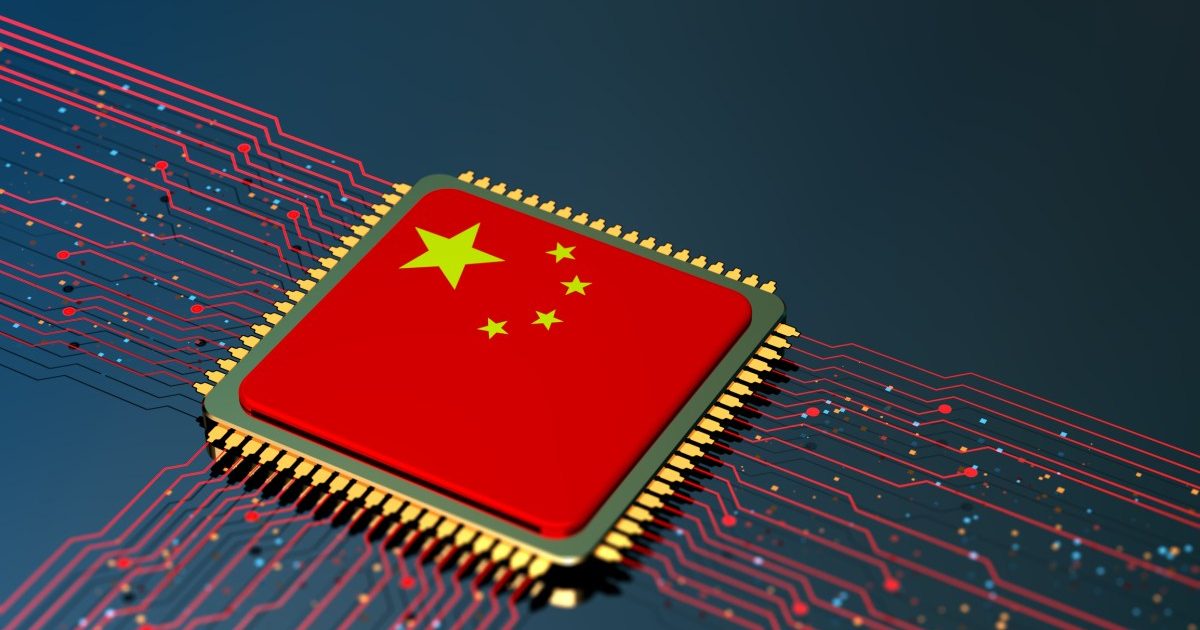
في خطوة تُنذر بمرحلة جديدة من التنافس التقني بين القوتين الكبريين، أعلن وزير الخزانة الأمريكي سكوت بيسنت أن بلاده ستخضع نماذج الذكاء الاصطناعي الصينية مفتوحة المصدر للتدقيق، بحثاً عن أي انتهاك محتمل لحقوق الملكية الفكرية الأمريكية. وحذّر بيسنت صراحةً من أن الحكومة الأمريكية تمتلك صلاحيات قانونية لفرض عقوبات على الشركات الصينية المتورطة في هذا النوع من السرقة التقنية.
نماذج صينية تكتسب أرضاً في ساحة المنافسة العالمية
تأتي هذه التصريحات في سياق صعود لافت للنماذج الصينية المفتوحة المصدر، كآخر إصدارات شركة Moonshot AI المعروفة بنموذج Kimi K3، التي باتت تُشكّل تهديداً حقيقياً لنظيراتها الأمريكية من أمثال OpenAI وAnthropic. ولا يقتصر هذا التهديد على الحصة السوقية فحسب، بل يمتد ليطال قدرة هذه الشركات على جذب الاستثمارات اللازمة لمواصلة تطوير نماذجها المتقدمة.
وكان تقرير لموقع Axios قد كشف في وقت سابق أن إدارة ترامب تدرس خياراً أكثر جذرية يتمثل في حظر شامل على النماذج الصينية مفتوحة المصدر، وإن كانت مصادر أخرى قد شككت في صحة هذه المعلومات.
ما بين تقطير النماذج والسرقة التقنية: خلاف جوهري
يدور في أوساط الصناعة جدل واسع حول مفهوم "تقطير النماذج" (Model Distillation)، وهو أسلوب تقني يُمكّن من نقل قدرات نموذج كبير إلى نموذج أصغر وأخف حجماً. فبينما تعتبره شركات الذكاء الاصطناعي الكبرى شكلاً من أشكال الاستغلال غير المشروع، يرى فريق آخر أنه لا يرقى إلى مستوى السرقة.
وقد انتقد ساتيا نادلا، الرئيس التنفيذي لمايكروسوفت، هذا التوجه بصراحة، مُشيراً إلى تناقض صارخ في موقف المختبرات الكبرى التي تطالب بحق الاستخدام العادل لبيانات التدريب، ثم تُحكم قبضتها على عمليات التقطير بشروط مقيّدة. وعلّق على ذلك قائلاً إن المطالبة بالانفتاح في الاتجاه الواحد، وإغلاق الباب في الاتجاه الآخر، أمر يستحق التأمل.
هل التقطير هو السبب الوحيد لتقدم الصين؟
يذهب عدد من المتخصصين إلى أن إرجاع تقدم الصين في مجال الذكاء الاصطناعي إلى تقطير النماذج وحده هو تبسيط مُخلّ للواقع. يقول كليم دولانغ، الرئيس التنفيذي لمنصة Hugging Face:
- التقطير ليس سوى عامل هامشي في تطوير النماذج الجيدة.
- الممارسة شائعة على نطاق واسع، بما في ذلك داخل الولايات المتحدة ذاتها.
- لو كان التقطير كافياً للتفوق، لكنا نرى دولاً كثيرة تتقدم بالسرعة ذاتها.
- الصين تمتلك فرق بحث متميزة تعمل وفق نهج أكثر انفتاحاً وتعاوناً.
استراتيجية أمريكية متصاعدة للحفاظ على الريادة
تندرج التحذيرات المتعلقة بالعقوبات ضمن منظومة متكاملة من الإجراءات التي تتبعها واشنطن للحفاظ على تفوقها في الذكاء الاصطناعي. فبعد تقييد صادرات الرقائق المتقدمة وتشديد ضوابط التصدير، تتجه الأنظار الآن نحو النماذج التقنية نفسها بوصفها ساحة معركة جديدة في هذا التنافس المتصاعد.
وفي سياق متصل، أبرمت شركة Anthropic تسوية بقيمة 1.5 مليار دولار بعد أن قضت المحكمة بأنها نزّلت ملايين الكتب المحمية بحقوق النشر واستخدمتها في تدريب نماذجها، مما يكشف أن الجدل حول الملكية الفكرية في الذكاء الاصطناعي لا يقتصر على الصراع مع الصين، بل يطال الشركات الأمريكية ذاتها.
وفي المحصلة، يبدو أن ملف الملكية الفكرية في عالم الذكاء الاصطناعي بالغ التعقيد، ومحاطٌ بتناقضات عميقة تجعل من الصعب رسم خط فاصل واضح بين الابتكار المشروع والانتهاك الصريح.
✦ بقلم فريق دروب أيديا
دروب أيديا - DROPIDEA
نأمل أن تكون هذه المقالة قد أضافت لك قيمة حقيقية. في دروب أيديا نسعى دائمًا لتقديم محتوى عربي عالي الجودة يساعدك على النمو والتطور في المجال الرقمي. تابعنا للمزيد من المقالات والشروحات المفيدة.
الوسوم
الأدمن
DROPIDEA
أحدث المقالات

Abliteration.ai: خدمة تجارية لإزالة قيود الأمان من نماذج الذكاء الاصطناعي
أقل من 24 ساعة للتقديم على تنظيم فعالية جانبية في مؤتمر Disrupt 2026

جيميناي سبارك من جوجل يدير مكتبة صور المستخدمين آلياً

ثينكينج ماشينز تسعى لجمع مليار دولار بتقييم 40 مليار