مراكز البيانات الفضائية: وهم مكلف أم مستقبل حتمي؟
 بقلم الأدمن
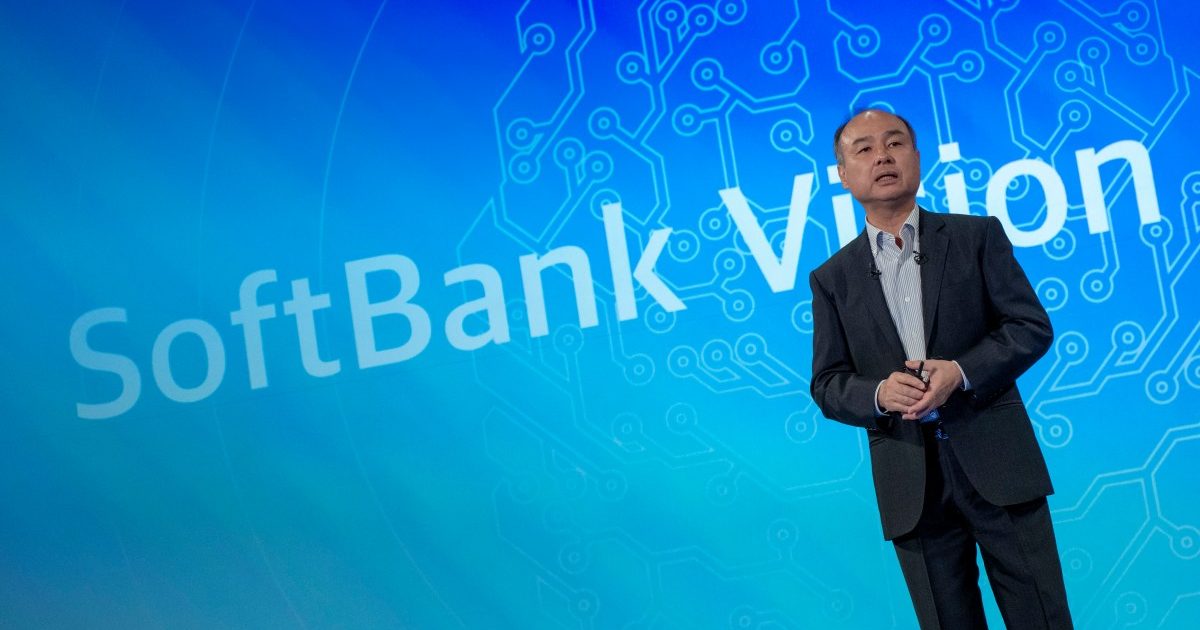
حين يشكّك المغامر في المغامرة
في عالم التكنولوجيا، نادراً ما يتراجع أصحاب الرؤى الجريئة عن دعم الأفكار الطموحة. لكن ماسايوشي سون، مؤسس مجموعة سوفت بنك الذي أنفق مليارات الدولارات على رهانات مجنونة كويورك وغيرها، وقف أمام مساهميه ليطرح سؤالاً صادماً: ما الجدوى الحقيقية من بناء مراكز بيانات في الفضاء؟
هذا التساؤل يستهدف مباشرةً رؤية إيلون ماسك لما يُسمّى بـ«مراكز البيانات المدارية»، وهو مشروع يقوم على نشر أقمار اصطناعية تشكّل شبكة حوسبة ضخمة خارج الغلاف الجوي للأرض. غير أن سون يرى أن هذه الفكرة، حتى لو نجحت تقنياً، لن تقدّم حلاً للاحتياجات الآنية الملحّة لقطاع الذكاء الاصطناعي.
الوقت عدوّ الحلول الفضائية
الحجة الجوهرية التي يسوقها سون بسيطة ومباشرة: المعركة في مجال الذكاء الاصطناعي تحسم خلال السنوات القليلة المقبلة، لا خلال العقد القادم. وبناء بنية تحتية فضائية معقدة وباهظة التكلفة، يستغرق سنوات حتى يدخل حيّز التشغيل الفعلي، يعني أنه لن يكون حاضراً في اللحظة التي يحتاجه فيها السوق أشد الحاجة.
هذا الواقع يكشف تناقضاً صارخاً: الشركات التقنية الكبرى تعاني اليوم من شحّ حاد في الطاقة الحوسبية، وتتسابق لبناء مراكز بيانات أرضية بأسرع وتيرة ممكنة. أمام هذه الضغوط الآنية، تبدو مراكز البيانات المدارية وعداً بعيداً لا يسمن ولا يغني من جوع.
من يكسب فعلاً من هذه الفكرة؟
ثمة زاوية أخرى لقراءة المشهد تتجاوز التحليل التقني. فشركة SpaceX، التي يقودها ماسك، تعتمد اعتماداً شبه كلي على شبكة ستارلينك لتعزيز حجمها في سوق الإطلاق الفضائي. وبناء «كوكبة أقمار» لأغراض الحوسبة يعني حكماً المزيد من الإطلاقات، ومن ثَمّ المزيد من العائدات لذراعها التجاري.
بمعنى آخر، قد تكون فكرة مراكز البيانات المدارية أقل ارتباطاً بحل أزمة الطاقة الحوسبية العالمية، وأكثر ارتباطاً بتغذية نموذج عمل SpaceX وضمان استمرارية إيراداته.
موجة «السحابة الجديدة» والجميع يريد قطعة من الكعكة
الظاهرة الأوسع التي يكشفها هذا الجدل هي ما بات يُعرف بـ«النيو-كلاود» أو السحابة الجيل الجديد. في ظل الطلب الهائل على الحوسبة، تحوّل عدد كبير من الشركات نموذج أعمالها نحو تأجير قدراتها الحوسبية، بغض النظر عن طبيعة نشاطها الأصلي. من شركات تصنيع الرقائق، إلى منصات ناشئة، وصولاً إلى أسماء غير متوقعة دخلت هذا السوق بعد إعادة هيكلتها.
هذا الاندفاع الجماعي يطرح تساؤلات مشروعة حول الاستدامة على المدى البعيد: هل ستظل الحاجة إلى استئجار الطاقة الحوسبية بهذه الحدة، أم أن السوق سيصل إلى حالة تشبع تُعيد رسم خارطة الرابحين والخاسرين؟
الترويج للمستقبل الذي يخدمك
لعل أبرز ما يمكن استخلاصه من هذا النقاش هو ظاهرة قديمة في عالم الأعمال: المديرون التنفيذيون يرسمون صورة المستقبل الذي يصبّ في مصلحة شركاتهم. حين يتحدث ماسك عن مراكز البيانات الفضائية، فهو يتحدث بالضرورة عن مستقبل تكون فيه SpaceX محورية ولا غنى عنها. وهذا لا يعني بالضرورة أنه مخطئ، لكنه يعني أن كل تصريح ينبغي قراءته في سياقه الاقتصادي الكامل.
وفي هذا الإطار، يكتسب تساؤل سون — رغم مفارقته الساخرة، إذ جاء من رجل يُعدّ من أكبر المراهنين في تاريخ رأس المال المغامر — قيمة حقيقية. فحين يرفع شخص بهذا الملف الجريء صوته بالتشكيك، فهذا يكفي لوضع علامة استفهام كبيرة أمام أي توافق يبدو سريعاً حول فكرة بعينها.
خلاصة القول
مراكز البيانات الفضائية قد تكون تقنية واعدة على المدى البعيد، لكنها ليست الإجابة على السؤال العاجل الذي يقضّ مضجع قطاع الذكاء الاصطناعي اليوم. التحدي التقني والتكاليف الباهظة وسنوات التطوير المطلوبة، كلها عوامل تجعلها رهاناً طويل الأمد في سباق تُحسم نتائجه على المدى القريب. ومن الضروري، وسط الحماس المتصاعد، أن تبقى أصوات التشكيك الرصين حاضرة وفاعلة.
✦ بقلم فريق دروب أيديا
دروب أيديا - DROPIDEA
نأمل أن تكون هذه المقالة قد أضافت لك قيمة حقيقية. في دروب أيديا نسعى دائمًا لتقديم محتوى عربي عالي الجودة يساعدك على النمو والتطور في المجال الرقمي. تابعنا للمزيد من المقالات والشروحات المفيدة.
الوسوم
الأدمن
DROPIDEA
أحدث المقالات

بيك إكس في ترفع سقف استثماراتها البذرية إلى 5 ملايين دولار

عشاء مرتقب بين رئيس أنثروبيك ودونالد ترامب وسط خلافات حول أمان الذكاء الاصطناعي
جوجل تختبر الشراء المباشر من فليبكارت عبر Gemini في الهند
كروزو تلغي صفقة بـ1.25 مليار دولار لتوربينات مراكز البيانات