تقليص استهلاك الطاقة في الذكاء الاصطناعي بمقدار 1000 مرة.. هل هذا ممكن؟
 بقلم الأدمن
عندما يصبح الطاقة قيداً لا مفرّ منه
مع تصاعد الطلب على أنظمة الذكاء الاصطناعي وانتشارها في كل قطاع تقريباً، بدأت تتكشّف أزمة هادئة لكنها بالغة الأثر: استهلاك الطاقة. مراكز البيانات الضخمة التي تُشغّل نماذج الذكاء الاصطناعي باتت تلتهم كميات هائلة من الكهرباء، ويبدو أن النمو المتواصل لهذا القطاع يسير نحو حائط صلب. في خضم هذا الواقع، تظهر شركة Unconventional AI بادّعاءات طموحة: خفض استهلاك الطاقة في معالجة الاستدلال إلى جزء من الألف مقارنةً بالأنظمة الراهنة.
من يقف وراء هذه الشركة؟
يتولى قيادة الشركة نافين راو، الرجل الذي شغل سابقاً منصب رئيس قسم الذكاء الاصطناعي في شركة Databricks، وهو اسم ثقيل في عالم البيانات والذكاء الاصطناعي. لم يكتفِ راو بمجرد تحسين التقنيات القائمة، بل اختار إعادة بناء أساسيات الحوسبة من الصفر انطلاقاً من قناعته بأن المعمارية التقليدية للمعالجات باتت عاجزة عن تلبية متطلبات المستقبل.
يرى راو أن الطاقة ستكون القيد الحقيقي لمستقبل الذكاء الاصطناعي، قائلاً: "تطوير الذكاء الاصطناعي بات مقيّداً بالطاقة. ستكون العقبة الجوهرية في السنوات القادمة. لا يمكن تجاوزها ببساطة. ستبقى المشكلة في نهاية المطاف مشكلةَ طاقة."
المذبذبات: السلاح السري لمعمارية جديدة
تستند Unconventional AI في رهانها التقني إلى ما يُعرف بـالحوسبة القائمة على المذبذبات، وهي بنية معمارية تختلف جذرياً عن الرقائق التقليدية المستخدمة في تشغيل أنظمة الذكاء الاصطناعي الحالية. لا تعمل هذه البنية وفق المنطق الثنائي الكلاسيكي القائم على الصفر والواحد، بل تستغل خصائص التذبذب الفيزيائي لتحقيق حسابات أكثر كفاءة بكثير من الناحية الطاقية.
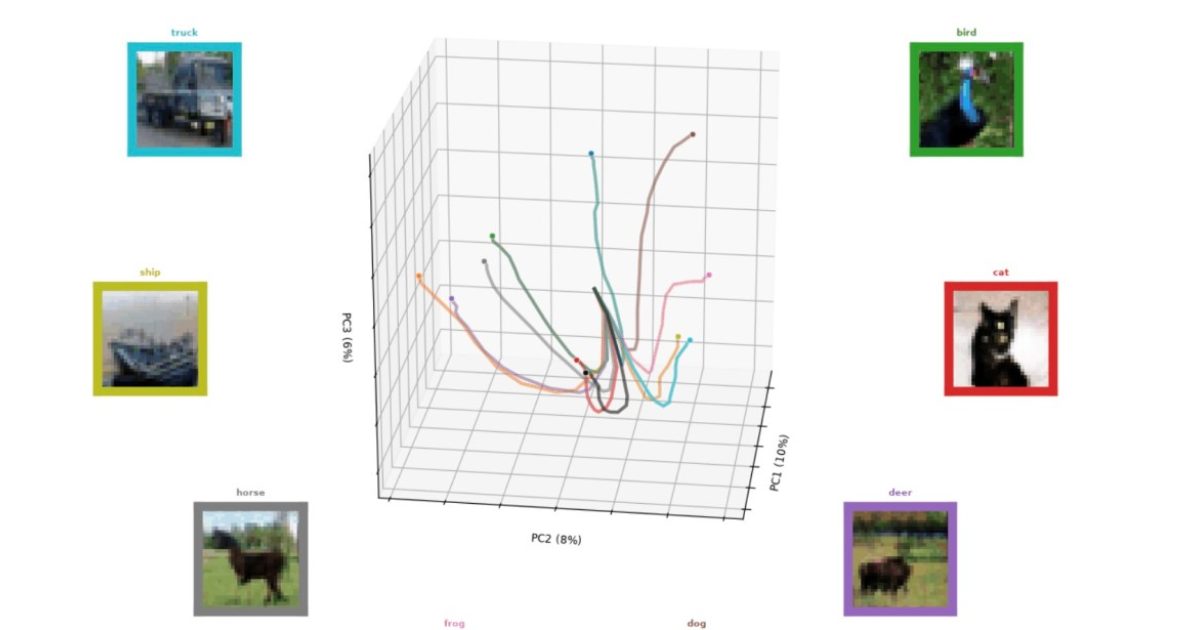
وللإثبات أن هذه الفكرة قابلة للتطبيق الفعلي، أطلقت الشركة مؤخراً نموذجها الأول المسمّى Un-0، وهو نظام لتوليد الصور يعمل حالياً عبر محاكاة برمجية للرقائق المذبذبة. وقد رافق هذا الإطلاق ورقة بحثية توضّح كيف تمكّن الفريق من بناء نموذج توليد صور مكتمل الوظائف يُضاهي في أدائه أحدث نماذج الانتشار المعتمدة في السوق.
ما الذي يُقدّمه نموذج Un-0 فعلياً؟
جودة المخرجات البصرية لـ Un-0 مماثلة لتلك التي تُنتجها نماذج رائدة كـ Stable Diffusion أو GPT Image 1 من OpenAI. غير أن ما يستحق الاهتمام ليس جودة الصور بحد ذاتها، بل الطريقة التي يصل إليها النموذج لهذه النتائج. وبحسب تصريحات راو، فإن هذا النموذج يمثّل "مرحلة مرحبا بالعالم" لنوع جديد كلياً من الحواسيب.
- يعمل النموذج حالياً عبر محاكاة برمجية للرقائق الجديدة.
- تعتزم الشركة نشر المخططات التقنية لرقاقة فعلية قريباً.
- الهدف النهائي هو بناء بنية تحتية متكاملة للاستدلال تعمل بـ1/1000 من الطاقة الحالية.
- ستعمل هذه المنظومة كمزوّد حوسبة مستقل يستقبل الطلبات ويُعيد نتائج الاستدلال.
طموح كبير بفريق صغير
تضمّ Unconventional AI حالياً أقل من خمسين موظفاً، وهو رقم يبدو متواضعاً أمام ضخامة ما تسعى إليه. بيد أن ندرة الحلول الحقيقية لمشكلة الطاقة في هذا القطاع تجعل من هذه المبادرة رهاناً يستحق المتابعة. فإذا تحقّق ما تعِد به الشركة ولو جزئياً، فإن تداعيات ذلك ستطال كل طبقات صناعة الذكاء الاصطناعي، من مزودي الحوسبة إلى مطوّري التطبيقات.
تعمل الشركة وفق خطة مرحلية: نشر مخططات الرقائق أولاً، ثم تطوير رقائق فعلية، وصولاً إلى بناء بنية تحتية متكاملة للاستدلال. الطريق طويل، لكن الاتجاه واضح: إعادة تعريف ما يعنيه الحوسبة الكفؤة في عصر الذكاء الاصطناعي.
خلاصة القول
لا تُقدّم Unconventional AI مجرد تحسين تدريجي لتقنية قائمة، بل تراهن على نقلة نوعية في أساسيات الحوسبة ذاتها. وبينما يواصل العالم سباقه نحو نماذج ذكاء اصطناعي أكبر وأقوى، قد يكون الرهان الحقيقي ليس على من يملك أكثر معالجات GPU، بل على من يستطيع إنجاز المهمة ذاتها بأقل قدر من الطاقة. هذا بالضبط ما تسعى إليه هذه الشركة الناشئة.
✦ بقلم فريق دروب أيديا
دروب أيديا - DROPIDEA
نأمل أن تكون هذه المقالة قد أضافت لك قيمة حقيقية. في دروب أيديا نسعى دائمًا لتقديم محتوى عربي عالي الجودة يساعدك على النمو والتطور في المجال الرقمي. تابعنا للمزيد من المقالات والشروحات المفيدة.
الوسوم
الأدمن
DROPIDEA
أحدث المقالات
هل تصيّد ماسك إطلاق أداة «Dots» من OpenAI عبر نطاق dot.com؟
بيك إكس في ترفع سقف استثماراتها البذرية إلى 5 ملايين دولار
عشاء مرتقب بين رئيس أنثروبيك ودونالد ترامب وسط خلافات حول أمان الذكاء الاصطناعي
جوجل تختبر الشراء المباشر من فليبكارت عبر Gemini في الهند