ووردبريس vs جملة vs دروبال مقارنة 2022
 بقلم الأدمن
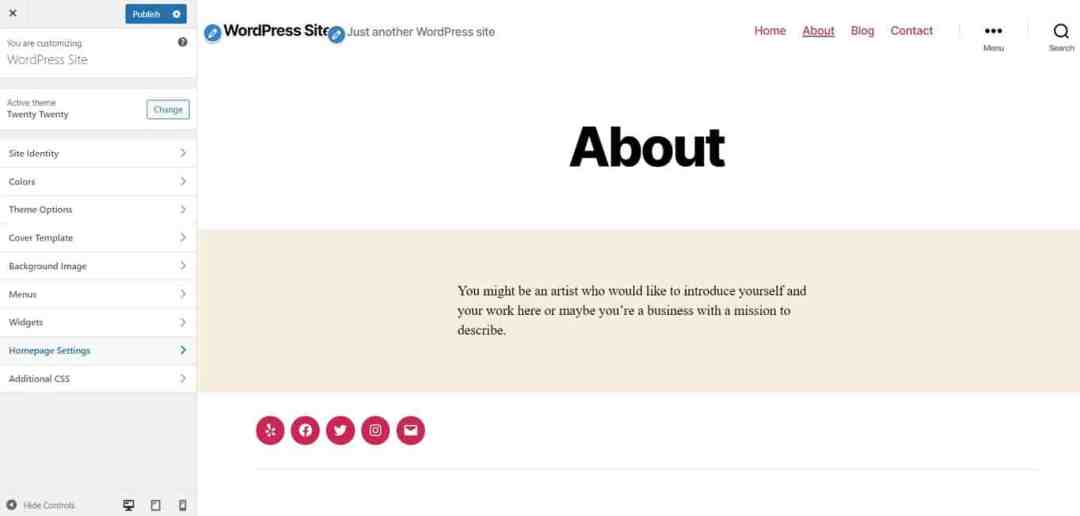
ووردبريس vs جملة vs دروبال إذا كنت تفكر في إنشاء موقع ويب أو مدونة ، فعليك التفكير في استخدام أحد أفضل أنظمة إدارة المحتوى المتوفرة في السوق. يساعدك نظام إدارة المحتوى (CMS) على إنشاء محتويات موقع الويب الخاص بك وإدارتها وتعديلها دون الحاجة إلى أي مهارات ترميز HTML أو CSS.
تعني الطبيعة سهلة الاستخدام لأنظمة CMS الحديثة أنه يمكن لأي شخص إنشاء موقع ويب رائع المظهر بنفسه. لست بحاجة إلى أن تكون مطور ويب أو مصممًا أو لديك أي خبرة سابقة في إنشاء مواقع الويب أيضًا. في هذا المنشور ، ننظر في ثلاثة من أكثر منصات CMS شيوعًا وأفضلها في عام 2022 ووردبريس vs جملة vs دروبال ، ونقارن بين إيجابياتها وسلبياتها ، ونساعدك على اختيار واحدة.
وبالحديث عن 2022 أفضل نظام إدارة المحتوى لموقعك CMS وأيضا الجديد في ووردبريس WordPress 5.9 (الميزات ولقطات الشاشة)
أفضل ثلاثة أنظمة إدارة محتوى نبحث فيها هي
ووردبريس vs جملة vs دروبال : ووردبريس جملة دروبال إليك كل ما تحتاج لمعرفته عنهم: 1.
مقارنة التكاليف والنفقات لأفضل CMS ووردبريس vs جملة
vs دروبال إن التحدث عن التكاليف التي ينطوي عليها استخدام أي من أنظمة إدارة المحتوى هذه يصبح أمرًا صعبًا للغاية. ها هي الصفقة: كل واحد من أفضل أنظمة إدارة المحتوى الثلاثة ووردبريس vs جملة vs دروبال هذه مجاني 100٪ بحد ذاته – يمكنك تنزيل أحدهما مباشرةً من المواقع الرسمية ببضع نقرات فقط ولكن هناك تكاليف جانبية أخرى عليك أن تتحملها بنفسك تتضمن هذه التكاليف الجانبية بشكل أساسي شيئين: اسم المجال واستضافة الويب. اسم المجال هو عنوان موقع الويب الخاص بك على الويب.
اسم مجال هذا الموقع هو haweh.com. شراء نطاق عبر الإنترنت والاحتفاظ به يكلف حوالي 10 دولارات سنويًا. إعداد استضافة الويب هو المكان الذي يوجد فيه موقع الويب الخاص بك ومن حيث يمكن للزوار الوصول إليه.
تبدأ الاستضافة الجيدة بـ ~ 3 دولارات في الشهر. سيكلف بناء موقع الويب الخاص بك على أي من أفضل ثلاثة أنظمة إدارة محتوى لدينا نفس التكلفة من حيث اسم المجال والاستضافة. شيء اخر… بينما يمكن تنزيل الأنظمة الأساسية لنظام إدارة المحتوى مجانًا ، في بعض الحالات ، سيرغب المستخدمون في توسيع مجموعات الميزات الأصلية لنظام إدارة المحتوى الخاص بهم بوحدات و / أو تصميمات إضافية.
ستجد ووردبريس vs جملة vs دروبال : تتوفر إضافات WordPress مقابل $ 0- $ 200 ملحقات جوملا
: من 0 إلى 70 دولارًا ملحقات دروبال
: $ 0- $ 100 الشيء نفسه ينطبق على السمات – حزم التصميم القابلة للتثبيت. ستجد: ثيمات WordPress متاحة مقابل $ 0- $ 250 ثيمات جملة
: 0 – 200 دولار ثيمات دروبال : 0 دولار – 80 دولار كل ثلاثة من أفضل CMS لها وظائف إضافية في نفس النطاق السعري تقريبًا.
في النهاية ، ليس عليك شراء أي إضافات
إذا لم يكن لديك الميزانية. في النهاية ، إذا كنت تنوي الحصول على الحد الأدنى فقط ، فستكون فاتورتك: 10 دولارات أمريكية (اسم المجال) + 3 × 12 دولارًا (استضافة) = 46 دولارًا أمريكيًا سنويًا 2. مستوى الخبرة المطلوبة في ووردبريس vs جملة vs دروبال في نهاية اليوم ، ستتمكن من استخدام أي من أفضل أنظمة إدارة المحتوى لدينا من هذه المجموعة دون أي خبرة سابقة ووردبريس vs جملة vs دروبال.
ومع ذلك ، قد تختلف نتائجك اعتمادًا على توقعاتك ومدى تقدم الموقع الذي تريد إنشاءه. يمكن القول إن WordPress هو الأسهل من حيث الاستخدام.
يعد توسيع وظائف موقعك وإيجاد التصميمات وتخصيصها أمرًا أكثر سهولة. من المفيد أن تعرف:
تقدم العديد من شركات الاستضافة ما يسمى ”
استضافة WordPress ” ، مما يعني أنه لا داعي للقلق بشأن الإعداد الفني للخادم أو حتى القلق بشأن تثبيت WordPress بنفسك. ستتعامل الشركة المستضيفة مع كل ذلك. فيما يتعلق بالتخصيص ، يأتي WordPress بواجهة ودية لتغيير مظهر موقعك وتغيير الألوان والخلفيات والعناصر المرئية الأخرى.
تركز Joomla و
Drupal
بشكل أكبر على المطورين وتتوقعان منك أن تكون مرتاحًا بشكل معقول في العمل مع HTML و PHP – أي إذا كنت ترغب في إنشاء موقع ويب أكثر تخصيصًا وتخصيصًا للتشغيل. لا يوجد العديد من الوظائف الإضافية متعددة الاستخدامات المتاحة لأي من CMS ، وتلك الموجودة ليست دقيقة مثل نظيراتها في WordPress.
في معظم الحالات ، يمكنك أن تتوقع إما أن تضطر إلى توظيف شخص ما أو تعلم الأعمال الداخلية لـ Joomla أو Drupal إذا كنت تريد أن ينتهي بك الأمر بموقع ويب مخصص المظهر. كل هذا يتناسب مع حجم المجتمع – هناك العديد من الأشخاص الذين يعملون على المنتجات والوظائف الإضافية المتعلقة بـ WordPress أكثر مما يعملون على Joomla أو Drupal. هذا يعني أنه إذا كنت ترغب في الحصول على ميزة لموقع الويب الخاص بك غير متوفرة عبر مكون إضافي ، فسيتعين عليك إنشاء هذه الميزة بنفسك.
3. شعبية أفضل CMS ووردبريس vs جملة vs دروبال مسابقة الشعبية هي في الواقع مسابقة لا. يأخذ WordPress هذه الأيدي المستديرة.
ألق نظرة على هذا الرسم البياني – فهو يعرض استخدام أنظمة إدارة المحتوى على الويب: فيما يلي الأرقام الخام: يستخدم WordPress أكثر من 43٪ من الويب بالكامل. جملة 1.7٪ دروبال
1.3٪ أمثلة على مواقع الويب التي تعمل على WordPress: البيت الأبيض جامعة واشنطن مدونة بلاي ستيشن أمثلة على مواقع الويب التي تعمل على جملة: روجر فيدرر مركز الأمم المتحدة الإقليمي للمعلومات ItWire أمثلة على مواقع الويب التي تعمل على دروبال:
ناسا جامعة هارفرد تسلا 4. اختيار التصاميم في ووردبريس vs جملة vs دروبال تعد جودة التصميم عاملاً كبيرًا في اختيار نظام إدارة المحتوى الخاص بك. نريد جميعًا أن تبدو مواقعنا على شبكة الإنترنت جميلة وألا تكون قذرة للعين.
أولاً ، دعنا نتحدث عن التصميم الخارجي – بمعنى ، مدى جودة مظهر CMS في الإعداد الافتراضي بعد التثبيت مباشرةً. هنا ووردبريس
: جملة
: دروبال : ووردبريس vs جملة vs دروبال تبدو كل من جوملا ودروبال قديمة بعض الشيء إذا سألتنا. يتميز WordPress بتصميم حديث ومحسّن.
بوضع التصميم الافتراضي جانبًا ، سيرغب معظم المستخدمين في التغيير إلى تصميم فريد. هذا هو المكان الذي تلعب فيه السمات / القوالب. هناك الآلاف من السمات المتاحة لـ WordPress
. كلا المجانية والمدفوعة. للبدء ، يمكنك الانتقال إلى الدليل الرسمي للقوالب
على WordPress.org. هناك أكثر من 8000 سمة مجانية متوفرة هناك. بعد ذلك ، ستجد أيضًا الآلاف من السمات المجانية الأخرى عبر الويب.
ثم تأتي في الموضوعات المدفوعة. هناك العديد من بيوت السمات عالية الجودة التي ستبيع لك سمات محسّنة وجميلة تبدأ من 2 دولار . بشكل عام ، لن يكون لديك بالتأكيد نقص في خيارات التصميم باستخدام WordPress.
خيار كل من Drupal و Joomla أصغر بكثير.
الأهم من ذلك ، أنه لا يكاد يوجد أي سمات مجانية تبدو جيدة. نحن نتحدث في نطاق المئات مقارنة بالآلاف في WordPress. ومع ذلك ، فإن السمات المدفوعة تبدو جيدة وتقدم مجموعة متنوعة جيدة من التصميمات والوظائف.
هناك عدد أقل بكثير منهم مقابل WordPress. 5. خيارات التخصيص ووردبريس vs جملة vs دروبال يقدم كل نظام من أفضل أنظمة إدارة المحتوى هنا دوره الخاص في تثبيت ميزات جديدة على موقعك: يستدعي WordPress جميع الإضافات الجديدة Joomla تسميهم التمديدات يسميهم دروبال الوحدات النمطية
الفكرة من وراءها هي نفسها في الأساس – للسماح لك بتوسيع النطاق الافتراضي للميزات التي تأتي مع نظام إدارة المحتوى الخاص بك. لنتحدث عن الأرقام أولاً: ستجد أكثر من 50000 مكون إضافي لـ WordPress متوفرة في الدليل الرسمي
وحده. هناك آلاف أخرى متاحة من مطوري الطرف الثالث. هناك ما يقرب من 6000 امتداد متاح لـ Joomla
في الدليل الرسمي ، ومئات أخرى عبر الويب. هناك حوالي 48000 وحدة متاحة لـ Drupal
في الدليل الرسمي ، ولكن هناك القليل منها فقط في مكان آخر على الويب. يقدم WordPress أكبر عدد من المكونات الإضافية ، وهذه المكونات الإضافية هي الأكثر مواجهة للمستخدم.
بمعنى ، من المفترض أن يستخدمها المستخدم النهائي للموقع ، فهي توفر واجهة مستخدم محسّنة ولوحات تحكم سهلة الفهم. يمكنك أيضًا أن تتوقع بأمان أنه إذا كنت بحاجة إلى ميزة جديدة لموقع WordPress الخاص بك ، فمن المحتمل أن يكون هناك مكون إضافي لذلك بالفعل. تقدم Joomla أيضًا كتالوجًا جيدًا من الإضافات ، وإن كانت أصغر بكثير من تلك الموجودة في WordPress.
ستظل تجد امتدادات للتعامل مع جميع الجوانب الأكثر أهمية في موقعك ، مثل المعارض ، وتحسين محركات البحث ، والتحليلات ، ونماذج الاتصال ، والمزيد. وحدات دروبال أكثر تركيزًا على المطور. ستجد حلولًا متنوعة لتوسيع واجهات برمجة التطبيقات ، وإعداد رموز إضافية للمطورين ، والقيام بإدارة مستخدم أكثر تقدمًا ، وما إلى ذلك.
بشكل عام ، سوف يساعدونك في تخصيص الآليات الداخلية لدروبال بشكل أكبر إذا كنت تعمل في مشروع أكثر جدية. ومع ذلك ، لا يوجد العديد من الوحدات النمطية التي تواجه المستخدم. حتى إجراء بحث في دليل الوحدة النمطية عن شيء بسيط مثل “نموذج الاتصال” لا يؤدي إلى نتائج متفائلة.
6. الأمن والتحديثات ووردبريس vs جملة vs دروبال يمكنك توقع تحديث إصدار WordPress جديد تقريبًا كل 50-60 يومًا. العديد من هذه التحديثات طفيفة وتقوم فقط بإصلاح الأخطاء والمشكلات الصغيرة هنا وهناك.
تصدر إصدارات WordPress الأكبر عدة مرات في السنة. تظهر تحديثات Joomla الصغيرة بشكل متكرر أكثر قليلاً ، كل 10-40 يومًا تقريبًا ، لكن التحديثات الأكبر تأتي مرة واحدة في السنة أو حتى أقل تكرارًا. الإصدار 3.9 من Joomla موجود معنا منذ عام 2018 ، على سبيل المثال.
يعمل دروبال وفقًا لجدول زمني محدد للإصدار ، ويقدم تحديثًا واحدًا لإصلاح الأخطاء وتحديثًا أمنيًا واحدًا شهريًا. التحديثات الأكبر – الإصدارات الرئيسية – تأتي مرتين في السنة. الآن لنتحدث عن الأمن
. أولا ، الأرقام. إليك تقرير اتجاه اختراق موقع الويب لعام 2019 بواسطة Sucuri
– شركة أمان ويب: كما ترى ، لا يبدو هذا جيدًا بالنسبة إلى WordPress. أكثر من 90٪ من مواقع CMS المصابة تعمل على WordPress. بحلول عام 2022 ، من المحتمل أن يكون هذا الرقم قد زاد (لا توجد دراسات حديثة منشورة حتى الآن).
هذه الدرجة المنخفضة من WordPress ترجع إلى عاملين. أولاً ، إنه ببساطة أكثر أنظمة إدارة المحتوى شيوعًا على الويب. من الطبيعي أن تتلقى جزءًا أكبر بكثير من فطيرة القرصنة.
أيضًا ، نظرًا لأن هذه المواقع العديدة تعمل على WordPress ، فإن اختراق WordPress ينتج عنه عائد استثمار أعلى للمهاجمين – يمكن أن يؤدي الاستثمار في بناء ثغرة لـ WordPress إلى اقتحام آلاف المواقع مقابل عدد أقل بكثير لـ Joomla أو Drupal. من ناحية أخرى ، تجدر الإشارة إلى أنه تم اختراق كل من Drupal و Joomla بنسبة أقل نسبيًا من WordPress – حتى بمجرد أخذنا في الاعتبار مستويات الشعبية لجميع أنظمة إدارة المحتوى الثلاثة. هذه ليست مصادفة.
في الواقع ، الأمن هو أحد نقاط البيع الرئيسية لدروبال. لقد وثقت العديد من الوكالات الحكومية والمؤسسات الأخرى في دروبال بشكل رئيسي بسبب تركيزها القوي على أمان مواقع الويب. 7.
الدعم والمجتمع ووردبريس vs جملة vs دروبال توفر لك أفضل ثلاثة أنظمة إدارة محتوى لدينا طرقًا للحصول على المساعدة إذا كنت تكافح في مهمة ما: يحتوي WordPress على قسم الدعم
الخاص به على الموقع الرسمي. ستجد أدلة مستخدم هناك ، ووثائق ، ويمكنك أيضًا الوصول إلى منتدى المستخدم
حيث يمكن للأشخاص ذوي التفكير المماثل مساعدتك في حل مشكلتك. علاوة على ذلك ، يمكنك الاتصال بـ FixRunner ، وهو موفر صيانة ودعم WordPress الذي نوصي به. تحتوي Joomla
على قسمين على الموقع الرسمي حيث يمكنك العثور على أشكال مختلفة من المساعدة. هناك التوثيق الرئيسي ، وبوابة المجتمع والتدريب ، وكذلك منتديات المستخدمين . يتبع دروبال
نهجًا مشابهًا ، حيث يقدم أقسامًا للتوثيق والدعم وبوابة
المجتمع والعديد من البرامج التعليمية وأدلة المستخدم . عندما يتعلق الأمر بجودة كل تلك المستندات ، يبدو أن عروض جوملا ودروبال تأتي في المقدمة. بينما يحتوي WordPress على قسم توثيق لائق وأدلة مستخدم ، فمن المحتمل أن تجد المزيد من البرامج التعليمية المتعمقة والمعلومات في أماكن أخرى على الويب (مثل موقعنا ، على سبيل المثال).
جميع منتديات الدعم الرسمية تشبه إلى حد بعيد أيًا من CMS. أخيرًا ، إذا كنت بحاجة إلى توظيف محترف لمساعدتك في اكتشاف بعض الأشياء الأكثر تعقيدًا ، أو حتى العمل على موقع الويب الخاص بك بالكامل ، فسيكون العثور على مطوري WordPress أسهل بكثير من مطوري Joomla أو Drupal. على سبيل المثال ، إذا انتقلت إلى موقع
Freelancer.com (أحد أشهر المواقع لتوظيف المستقلين) وبحثت عن كل نظام إدارة محتوى ، فستحصل على هذه النتائج: “WordPress” – أكثر من 77000 مستقلاً يقدمون أعمالًا مرتبطة بـ WordPress “جملة” – حوالي 7300 “دروبال” – حوالي 4300 للختام: الآن بعد أن أصبح لديك نظرة عامة على جميع أنظمة إدارة المحتوى الثلاثة ووردبريس vs جملة vs دروبال ، دعنا ننتقل إلى وقت استخدام كل منها. متى تستخدم ووربريس ؟
WordPress عبارة عن نظام إدارة محتوى رائع شامل إذا كنت تريد إنشاء موقع ويب بنفسك وتأكد أيضًا من أنه سيبدو بشكل صحيح ويحتوي على جميع الميزات التي تحتاجها. إنها أسهل منصة لاستخدامها إذا كنت مبتدئًا وأيضًا توفر أفضل التصميمات والاختيار الأكبر منها. بالإضافة إلى ذلك ، إذا كنت ترغب في أي وقت مضى في توسيع موقعك ، فيمكنك الاختيار من بين آلاف المكونات الإضافية التي يمكنها التعامل مع أي ميزة جديدة يمكنك التفكير فيها.
متى تستخدم دروبال؟ يمكن أن يكون دروبال هو الحل الخاص بك إذا كان موقع الويب الذي ترغب في إنشائه سيحتوي على الكثير من الوظائف المخصصة وسيتطلب أمانًا من الدرجة الأولى في نفس الوقت. دروبال موجه أكثر نحو المطورين أكثر من مستخدمي DIY الذين يعملون على مواقعهم في فترة بعد الظهر.
من المحتمل أيضًا أن تتطلب الكثير من العمل المخصص والترميز لتحقيق التأثير النهائي الذي تريده مع دروبال. متى تستخدم جملة؟ تقابلك جملة نوعًا ما في المنتصف بين WordPress و Drupal.
من ناحية أخرى ، فإنه يوفر الكثير من الميزات التي تواجه المستخدم ولكنه يتوقع منك أيضًا ترميز العناصر غير القياسية حسب الطلب. لدى Joomla نظام إدارة مستخدم أكثر تقدمًا ، والذي يمكن أن يكون مفيدًا إذا كان من المفترض أن تتم إدارة موقع الويب الخاص بك من قبل عدة أشخاص. الشيء نفسه ينطبق على دعم متعدد اللغات.
باستخدام Joomla ، يمكنك إعداد مواقع متعددة اللغات على الفور ، بينما يتطلب القيام بذلك باستخدام WordPress مكونًا إضافيًا منفصلاً. ومع ذلك ، ستظل تجد منحنى تعلم جملة شديد الانحدار. قد يكون هذا مزعجًا إذا كان الشيء الوحيد الذي تريده الآن هو مجرد “موقع ويب يعمل”.
في مقالة ووردبريس vs جملة vs دروبال تم النقل والترجمة بواسطة مدونة هوية من المصدر : websitesetup #ووردبريس #الكتروني #تصميم #ويب #اونلاين #استضافة #موقع
دروب أيديا - DROPIDEA
نأمل أن تكون هذه المقالة قد أضافت لك قيمة حقيقية. في دروب أيديا نسعى دائمًا لتقديم محتوى عربي عالي الجودة يساعدك على النمو والتطور في المجال الرقمي. تابعنا للمزيد من المقالات والشروحات المفيدة.
الأدمن
DROPIDEA
أحدث المقالات

هل تصيّد ماسك إطلاق أداة «Dots» من OpenAI عبر نطاق dot.com؟

بيك إكس في ترفع سقف استثماراتها البذرية إلى 5 ملايين دولار

عشاء مرتقب بين رئيس أنثروبيك ودونالد ترامب وسط خلافات حول أمان الذكاء الاصطناعي

جوجل تختبر الشراء المباشر من فليبكارت عبر Gemini في الهند