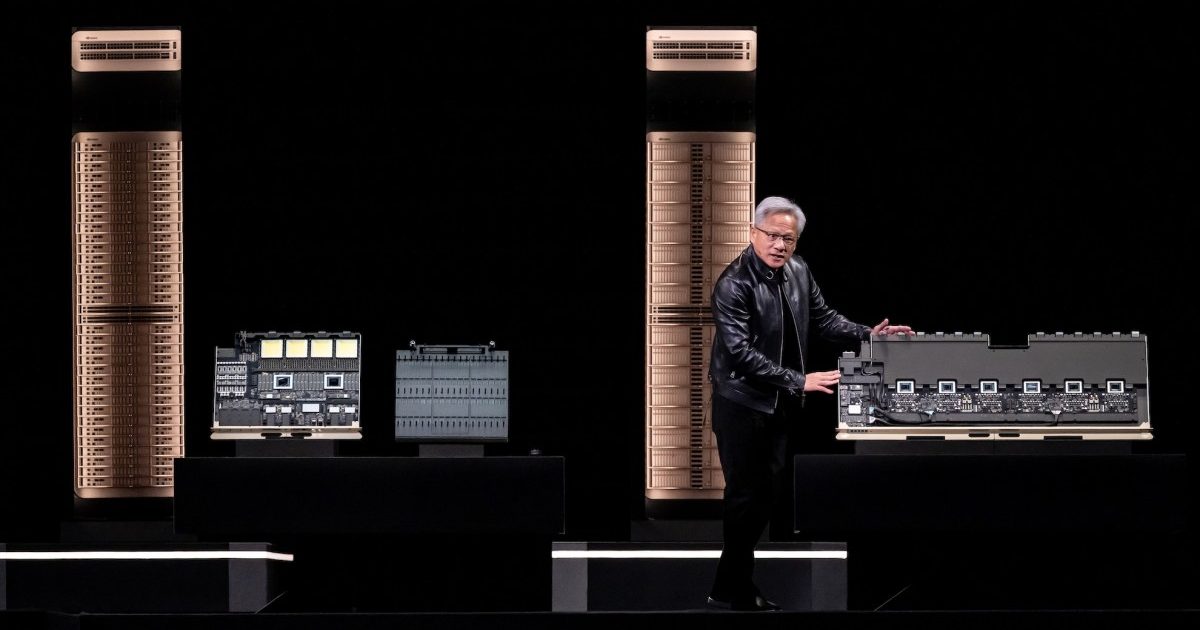
شرائح ميتا الذكية: إنتاج ضخم في سبتمبر لتقليص الاعتماد على إنفيديا
 بقلم الأدمن
سباق التحرر من هيمنة إنفيديا
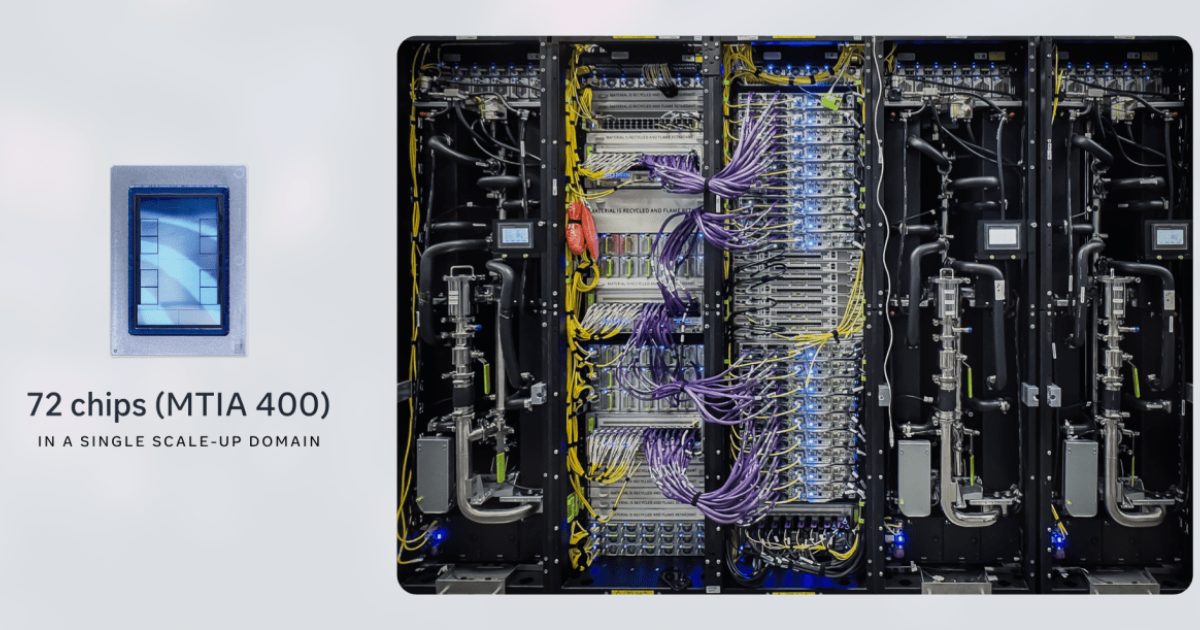
تمضي شركة ميتا بخطى متسارعة نحو بناء بنية تحتية حوسبية مستقلة، إذ تشير التقارير الواردة من مصادر داخلية إلى أن الشركة ستباشر إنتاج أحدث إصدارات شرائحها المخصصة للذكاء الاصطناعي خلال سبتمبر القادم. تأتي هذه الخطوة في سياق شُح غير مسبوق في مكونات الحوسبة، وارتفاع حاد في تكاليف وحدات معالجة الرسومات، مما دفع الشركة إلى تسريع مسيرتها نحو الاكتفاء الذاتي التقني.
شراكات صناعية متعددة لتحقيق الهدف
لا تسير ميتا في هذا المسار منفردةً، بل نسجت شبكة واسعة من الشراكات الصناعية لضمان جودة منتجها النهائي. تتعاون الشركة مع عملاق تصميم الرقائق برودكوم في هندسة الشريحة، فيما أسندت مهمة التصنيع إلى TSMC التايوانية، الرائدة عالمياً في صناعة أشباه الموصلات. وتمتد الشراكات لتشمل:
- ذاكرة الوصول العشوائي من سامسونج
- وحدات التخزين من Sandisk
- معدات الألياف الضوئية من Sumitomo Electric
والجدير بالذكر أن إحدى الشرائح اجتازت مرحلة الاختبار في نحو ستة أسابيع فحسب، وهو إنجاز يعكس نضج العملية التطويرية لدى الشركة.
برنامج MTIA: بنية معيارية للمستقبل
تندرج هذه الشرائح ضمن برنامج Meta Training and Inference Accelerator (MTIA)، الذي كشفت عنه الشركة في مارس الماضي، وهو يضم أربعة أجيال من الشرائح المتخصصة. تعتمد ميتا في هذا البرنامج على نهج معياري قائم على ما يُعرف بـ«chiplets»، أي وحدات شبه موصلة صغيرة قابلة للتجميع، مما يمنح الشركة مرونة في التكيف مع التطور السريع لمتطلبات الذكاء الاصطناعي دون الحاجة إلى إعادة التصميم من الصفر في كل مرة.
وتوضح الشركة فلسفتها في هذا الشأن بقولها إن كل جيل يبني على سابقه مستفيداً من أحدث تقنيات الأجهزة ومتطلبات أعباء العمل في الذكاء الاصطناعي، مع دورات نشر أقصر وأكثر كفاءة. وتعتزم ميتا توظيف هذه الشرائح في تدريب نماذج الترتيب والتوصية، وأعباء الذكاء الاصطناعي العامة، وعمليات الاستنتاج المرتبطة بتطبيقاتها.
إنفاق بمليارات لتأمين القدرة الحوسبية
تأتي هذه المبادرة في سياق استراتيجية استثمارية طموحة أعلنت عنها ميتا في أبريل الماضي، إذ رصدت نفقات رأسمالية تتراوح بين 125 و145 مليار دولار خلال العام الجاري، يتجه جزء كبير منها نحو تعزيز بنيتها التحتية في مجال الذكاء الاصطناعي. وتسعى الشركة إلى نشر طاقة حوسبية بقدرة 7 جيجاواط هذا العام، مع خطط لمضاعفة هذا الرقم في العام المقبل.
ولا تقتصر استثمارات ميتا على تطوير شرائحها الخاصة، بل تتوازى مع صفقات ضخمة تشمل:
- اتفاقية مع ARM لتأمين قدرات الحوسبة لأنظمة التوصية
- صفقة بمليارات الدولارات مع AMD للحصول على وحدات Instinct GPU
- عقد مع Amazon للاستفادة من معالجاتها الخاصة في مهام الذكاء الاصطناعي
موجة التحرر التقني تجتاح عمالقة التكنولوجيا
لا تنفرد ميتا بهذا التوجه؛ فظاهرة تطوير الشرائح الخاصة باتت تتسع بشكل لافت في المشهد التقني العالمي. فقد أعلنت OpenAI عن معالج استنتاج تبنيه بالشراكة مع برودكوم، فيما تدرس Anthropic تطوير شرائحها المستقلة بالتعاون مع سامسونج. أما Google وAmazon فلديهما بالفعل شرائح مخصصة للتدريب والاستنتاج. يكشف هذا المشهد عن توجه استراتيجي واضح: السعي للحد من الاعتماد شبه الكلي على إنفيديا التي تهيمن على سوق وحدات معالجة الرسومات للذكاء الاصطناعي.
وفي المحصلة، يمثل توجه ميتا نحو إنتاج شرائحها الخاصة نقلة نوعية في استراتيجيتها التقنية، تجمع بين خفض التكاليف على المدى المتوسط وتعزيز السيادة التقنية على المدى البعيد، في وقت تتصاعد فيه المنافسة على أدوات الذكاء الاصطناعي بصورة غير مسبوقة.
✦ بقلم فريق دروب أيديا
دروب أيديا - DROPIDEA
نأمل أن تكون هذه المقالة قد أضافت لك قيمة حقيقية. في دروب أيديا نسعى دائمًا لتقديم محتوى عربي عالي الجودة يساعدك على النمو والتطور في المجال الرقمي. تابعنا للمزيد من المقالات والشروحات المفيدة.
الوسوم
الأدمن
DROPIDEA
أحدث المقالات
أزمة الذاكرة بسبب الذكاء الاصطناعي تفرض قيوداً جديدة على تطبيقات أندرويد
«مايكرو داك».. روبوت البطة مفتوح المصدر من هاغينغ فيس بـ399 دولاراً
جوجل تحوّل «وضع الذكاء الاصطناعي» إلى وكيل سفر يحجز الرحلات والفنادق
أنثروبيك تواصل شراهتها للحوسبة بصفقة 45 مليار دولار مع Nscale