ماهو نظام إدارة المحتوى cms وما أفضل الخيارات لإطلاق موقعك؟
 بقلم الأدمن

نظام إدارة المحتوى من الأضلع الأساسية في عالم الويب. فهل سبق لك أن تساءلت عن القوة الخفية التي تقف وراء مواقع الويب الرائعة التي تتصفحها يوميًا؟ إنَّها أنظمة إدارة المحتوى (CMS)، تلك الأدوات التي تمكننا من إنشاء وتحرير وإدارة محتوى الويب بكل يسر وسهولة.
فما هو نظام إدارة المحتوى cms؟ وما هي أفضل الخيارات؟
ما هو نظام إدارة المحتوى؟
– لماذا تحتاج لاستخدام نظام إدارة محتوى؟ – كيف تختار نظام إدارة المحتوى المناسب لك؟ أشهر 4 نظام إدارة محتوى 1- نظام إدارة المحتوى ووردبريس 2- نظام إدارة المحتوى جوملا 3- نظام إدارة المحتوى دروبال 4- نظام إدارة المحتوى ماجنتو عيوب استخدام أنظمة إدارة المحتوى
بدائل استخدام نظام إدارة المحتوى لتصميم المواقع الأسئلة الشائعة ما هو نظام إدارة المحتوى؟ نظام إدارة المحتوى ( Content Management System – CMS) هو نظام برمجي أو منصة تقنية يُستخدم بشكل شائع لإنشاء وإدارة المحتوى الرقمي على الإنترنت.
يتيح CMS للمستخدمين إنشاء وتحرير ونشر وإدارة محتوى مواقع الويب والتطبيقات عبر الإنترنت بسهولة دون الحاجة إلى معرفة متقدمة في مجال تطوير البرمجيات. هذا النظام يسهل على المستخدمين إدارة العديد من جوانب المحتوى الرقمي، مثل النصوص والصور ومقاطع الفيديو والصوتيات والملفات الأخرى. يمكن استخدام نظم إدارة المحتوى لإنشاء مواقع الويب الشخصية والمدونات والمواقع التعليمية والمواقع التجارية والمواقع الإخبارية والمنتديات وغيرها من الأنواع المختلفة من المواقع الإلكترونية، وتتميز نظم إدارة المحتوى بواجهات مستخدم سهلة الاستخدام تتيح للمستخدمين تحرير المحتوى بشكل بسيط وفعال.
بالإضافة إلى ذلك، يمكن لعدة مستخدمين العمل معًا على تحرير المحتوى بشكل متزامن. مما يجعلها مثالية للفرق والمؤسسات التي تحتاج إلى تنسيق الجهود فيما يتعلق بالمحتوى الرقمي وهناك العديد من نظم إدارة المحتوى المتاحة، وتختلف في الميزات والأداء. واختيار النظام المناسب يتم عبر تقدير الاحتياجات الفردية، ليتمكن للمستخدمين إنشاء وإدارة مواقعهم على الإنترنت بكفاءة وبسهولة تامة.
– لماذا تحتاج لاستخدام نظام إدارة محتوى؟ نظام إدارة المحتوى (CMS) هو أداة أساسية لإنشاء وتنظيم المحتوى الرقمي على الويب. يُستخدم CMS بشكل واسع من قبل الأفراد والمؤسسات لأسباب عديدة، وأحد الأسباب الرئيسية لاستخدام نظام إدارة المحتوى هو سهولة الاستخدام.
حيث يتيح للأشخاص غير المطورين إنشاء وتحرير المحتوى على الويب بسهولة دون الحاجة إلى معرفة برمجة عميقة. هذا يتيح لأصحاب المواقع والمدونين وأصحاب الأعمال نشر محتوى جديد بسرعة وفعالية. بالإضافة إلى ذلك، يمكن للأفراد والفرق التعاون بشكل أفضل باستخدام CMS.
يمكن تعيين صلاحيات وأدوار مختلفة لأعضاء الفريق، مما يجعل من السهل توزيع المسؤوليات والعمل المشترك على تطوير وإدارة المحتوى، ويوفر أيضًا توفيرًا كبيرًا من الوقت والجهد. بدلاً من بناء كل جزء من موقع الويب يدويًا، يمكن استخدام CMS كأساس جاهز يسهل تخصيصه حسب الاحتياجات الفردية. وهذا يسمح للمطورين بتركيز جهودهم على تطوير ميزات فريدة من نوعها بدلاً من القضاء على وقتهم في بنية الأساسيات، وتُعد أيضًا إدارة المحتوى المستدامة من خلال CMS أمرًا هامًا.
يمكن تنظيم المحتوى بشكل منهجي وتصنيفه لجعله سهل البحث والوصول إليه. كما أن نظام إدارة المحتوى يوفر ميزات أمان مدمجة تساعد في حماية الموقع من التهديدات الأمنية. وباختصار نظام إدارة المحتوى هو أداة قوية تجعل إنشاء وإدارة المحتوى على الويب أمرًا سهلاً وفعالًا وآمنًا، مما يسهم في تحقيق الأهداف الرقمية بكفاءة أكبر.
– كيف تختار نظام إدارة المحتوى المناسب لك؟ اختيار نظام إدارة المحتوى (CMS) المناسب لمشروعك يعتمد على عدة عوامل.
أولاً، قم بتحديد الأهداف والاحتياجات الخاصة بموقعك أو تطبيقك.
اسأل نفسك ما هو نوع المحتوى الذي تخطط لنشره وما هي الميزات التي تحتاجها، مثل التحرير السهل، التوسع، وتحسين محركات البحث. ثانيًا، انظر إلى مستوى خبرتك التقنية.
هل أنت مطور ويب محترف أم مبتدئ؟
بعض الأنظمة تتطلب معرفة برمجية أقوى من غيرها. يجب أن تكون الواجهة سهلة الاستخدام بما يكفي لتلبية احتياجاتك وقدراتك. ثالثًا، قم بتقييم ميزانيتك.
بعض CMS مفتوحة المصدر ومجانية، في حين أن البعض الآخر يتطلب تكلفة ترخيص. حدد ما إذا كان بإمكانك تحمل التكاليف وما إذا كان هذا جزءًا من ميزانيتك. رابعًا، ابحث عن ميزات التوسع والتخصيص.
تأكد من أن CMS يوفر إمكانيات للتوسع وإضافة مكونات إضافية عندما تنمو احتياجاتك. أخيرًا، اقرأ تقييمات وآراء المستخدمين حول النظام. تعرف على تجارب الآخرين معه ومدى رضاهم عنه.
وباختصار اختيار CMS المناسب يتطلب تحليل احتياجاتك بالإضافة إلى مستوى الخبرة التقنية وكذلك الأمر الميزانية المتاحة لديك وميزات التوسع والتخصيص وغيرها. أشهر 4 نظام إدارة محتوى إليك خلال السطور التالية 4 من أشهر نظام إدارة المحتوى بالإضافة إلى وصف تعريفي إلى كل نظام إدارة المحتوى وأبرز الميزات والخصائص كالآتي: 1- نظام إدارة المحتوى ووردبريس ووردبريس هو نظام إدارة محتوى مفتوح المصدر (Open Source CMS) يُستخدم بشكلٍ واسع لإنشاء مواقع الويب والمدونات .
تم تطويره أصلاً كمنصة للمدونين، ولكنه أصبح اليوم أحد أشهر وأكثر أنظمة إدارة المحتوى شهرة في العالم ويستخدم في مجموعة متنوعة من مواقع الويب، بدءًا من المدونات الشخصية وصولًا إلى المواقع الشركية والمتاجر الإلكترونية. بعض النقاط البارزة حول WordPress: سهولة الاستخدام : ووردبريس معروف بواجهته البسيطة والسهلة الاستخدام. يمكن للمبتدئين إنشاء وإدارة المحتوى دون الحاجة إلى معرفة برمجة متقدمة.
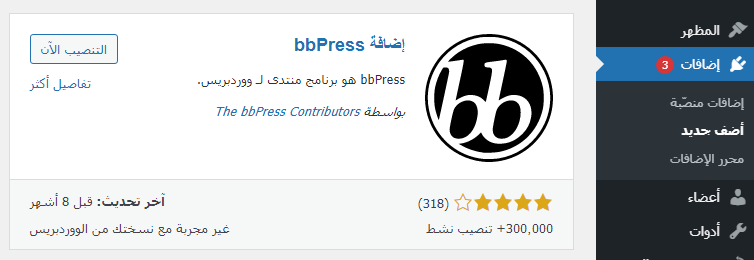
توسعية : يتيح WordPress للمستخدمين تثبيت العديد من الإضافات (البلجنز) والقوالب لتخصيص الموقع وإضافة ميزات إضافية. هذا يعني أنه يمكن توسيع وظائف الموقع بسهولة. مجتمع نشط : يتمتع ووردبريس بمجتمع واسع من المطورين والمستخدمين.
هذا يعني أن هناك دعم وثقافة حوله تجعل من السهل العثور على المساعدة والموارد عبر الإنترنت. تحسين محركات البحث (SEO) : ووردبريس مصمم لتحسين محركات البحث، ويتضمن أدوات وملحقات تساعد في تحسين رتبة الموقع في نتائج محركات البحث. أمان وأيضًا تحديثات منتظمة : يُحدث ووردبريس بانتظام لتصحيح الثغرات الأمنية وتحسين الأداء.
من المهم تثبيت هذه التحديثات بانتظام لضمان سلامة الموقع. مجموعات مستخدمون متعددون : يتيح ووردبريس للمستخدمين تكوين موقع مع مجموعات مختلفة من المستخدمين والصلاحيات المختلفة. 2- نظام إدارة المحتوى جوملا جوملا هو نظام إدارة المحتوى مفتوح المصدر مبني على لغة البرمجة PHP وقاعدة بيانات MySQL.
يُعد Joomla واحدًا من أنظمة إدارة المحتوى الشهيرة والتي تتيح للمستخدمين إنشاء مواقع الويب بسهولة وإدارتها بفعالية. إليك بعض التفاصيل حول Joomla: سهولة الاستخدام : Joomla يعرض واجهة سهلة الاستخدام تجعل من السهل إنشاء وتحرير المحتوى.
يتيح للمبتدئين البدء بسرعة ويقدم أدوات متقدمة للمحترفين. توسعية وتخصيص : يمكن للمستخدمين توسيع مواقعهم باستخدام القوالب والملحقات (البلجنز) المتاحة لتخصيص المظهر والوظائف. مجتمع نشط : Joomla يتمتع بمجتمع نشط من المطورين والمستخدمين الذين يساعدون في توفير الدعم وتطوير الملحقات.
أمان واستقرار : تم تصميم Joomla بعناية لضمان أمان الموقع، وتحسين الأداء والاستقرار. إدارة المحتوى المتقدمة : يُمكن إدارة محتوى الموقع بسهولة، بما في ذلك الصفحات والمقالات والوسائط. دعم للتعددية اللغوية : Joomla توفر دعمًا للتعددية اللغوية، مما يتيح إنشاء مواقع متعددة اللغات بسهولة.
توسعية واجهة البرمجة (API) : يمكن تكامل Joomla مع تطبيقات وخدمات أخرى باستخدام واجهة البرمجة (API). تحسين محركات البحث (SEO) : تتضمن أدوات لتحسين موقعك لمحركات البحث.
3- نظام إدارة المحتوى دروبال Drupal
هو نظام إدارة المحتوى مفتوح المصدر الذي تم تطويره بلغة البرمجة PHP ويستند إلى قاعدة بيانات MySQL. يمتاز Drupal بقوته ومرونته وهو مشهور بقدرته على إنشاء مواقع الويب المتقدمة والقوية. إليك بعض التفاصيل حول Drupal: قوة التخصيص : Drupal يُعتبر واحدًا من أكثر أنظمة إدارة المحتوى قوة فيما يتعلق بالتخصيص.
يمكنك بناء موقعك بالكامل من الصفر وتصميمه وفقًا لاحتياجاتك الفريدة. أمان ممتاز : Drupal معروف بمستواه العالٍ في الأمان والثبات. يتلقى التحديثات الأمنية بانتظام ويتم اختباره ومراجعته من قبل مجتمع مطوري Drupal.
أدوات تحسين محركات البحث (SEO) : يتضمن Drupal العديد من الأدوات والإضافات التي تساعد في تحسين أداء موقعك في محركات البحث ، مما يساعد على جذب المزيد من الزوار. تدفق العمل وإدارة المحتوى : يوفر Drupal أدوات قوية لإدارة محتوى الموقع وتنظيم العمليات والتحرير والمراجعة. يمكن تعيين الصلاحيات بدقة للمستخدمين المختلفين.
مجتمع نشط : Drupal يتمتع بمجتمع نشط من المطورين والمستخدمين، ويتم مشاركة المعرفة والمساعدة عبر منتديات ومجموعات على الإنترنت. التكامل والقابلية للتوسع : يمكنك دمج Drupal بسهولة مع تطبيقات وخدمات أخرى عبر واجهات برمجة التطبيقات (APIs)، ويمكن توسيع وظائفه باستخدام الإضافات.
4- ن ظام إدارة المحتوى ماجنتو Magento
هو نظام إدارة محتوى مفتوح المصدر مصمم خصيصًا لإنشاء وإدارة متاجر الكترونية على الإنترنت. يُعتبر Magento واحدًا من أكثر منصات التجارة الإلكترونية شهرة واستخدامًا في العالم، وهو معروف بقدرته على توفير تجربة تسوق رائعة للعملاء وإدارة المتاجر بكفاءة. إليك بعض التفاصيل حول Magento: تجربة تسوق متميزة : Magento تقدم واحدة من أفضل تجارب التسوق عبر الإنترنت، مع ميزات مثل إدارة العربات والدفع الآمن و المراجعات و التقييمات والعروض والتخفيضات.
تخصيص متقدم : يمكن تخصيص مظهر ووظائف متجر Magento بشكل مفصل، ويتضمن العديد من القوالب والإضافات المتاحة لتلبية احتياجات مختلفة. أمان عالي : Magento معروف بمستوى عالٍ من الأمان، ويتلقى تحديثات أمان منتظمة لضمان حماية المتاجر من التهديدات الأمنية. إدارة محتوى متقدمة : يتيح Magento إدارة المحتوى بسهولة، بما في ذلك الصفحات والمقالات والصور وملفات الوسائط.
توسع وتكامل مع الجهات الخارجية: يمكن توسيع Magento باستخدام الإضافات والتكامل مع العديد من الخدمات الخارجية مثل أنظمة الدفع وأنظمة إدارة المستودعات والشحن والمزيد. تحسين محركات البحث (SEO) : تتضمن Magento ميزات متقدمة لتحسين موقعك لمحركات البحث، مما يساعدك على زيادة ظهور منتجاتك في نتائج البحث. تحليلات متقدمة : يمكنك مراقبة أداء متجرك باستخدام تحليلات متقدمة توفر رؤى حول الزوار والمبيعات وسلوك العملاء.
عيوب استخدام أنظمة إدارة المحتوى يمكن أن يتضمن استخدام أنظمة إدارة المحتوى بعض العيوب التي يجب مراعاتها. على سبيل المثال، قد تجد أنه على الرغم من سهولة استخدام هذه الأنظمة، إلا أنها قد تفرض بعض القيود على تصميم موقعك.
إذا كنت بحاجة إلى تخصيص متقدم للمظهر والوظائف، قد تكون هناك صعوبة في تحقيق ذلك. علاوة على ذلك، يمكن أن يؤثر استخدام CMS على أداء الموقع إذا لم يتم إدارته بعناية. بعض هذه الأنظمة تكون أثقل من غيرها.
ويمكن أن تؤدي إلى بطء في تحميل الصفحات إذا لم تتم مراعاة الأداء في التصميم. من ناحية الأمان، يمكن أن يكون الاعتماد على ملحقات غير موثوقة أو تأخر تحديثات الأمان عاملًا يجعل الموقع عرضة للهجمات الإلكترونية، وأيضًا بالنسبة للمستخدمين الجدد، قد يجدون صعوبة في التعامل مع بعض أنظمة إدارة المحتوى بسبب تعقيدها، وسوف يحتاجون إلى وقت لفهم كيفية استخدامها بشكل كامل. أخيرًا، يجب أيضًا مراعاة تكاليف الصيانة والتحديث.
عادةً ما تتطلب المواقع التي تستخدم CMS تحديثات منتظمة للحفاظ على الأمان والأداء الجيد، وهذا يمكن أن يكلف مالًا إذا تم التعاقد مع مطورين أو فرق صيانة. بدائل استخدام نظام إدارة المحتوى لتصميم المواقع هناك العديد من البدائل لنظام إدارة المحتوى (CMS) التي يمكن استخدامها لتصميم المواقع بدلاً من استخدام CMS التقليدية. بدلاً من الاعتماد على نظام CMS جاهز، يمكنك استخدام منصات تجارة إلكترونية مخصصة مثل Shopify
إذا كنت تخطط لإنشاء متجر إلكتروني. إذا كنت ترغب في البناء من الصفر ولديك معرفة بالبرمجة، يمكنك استخدام Frameworks مثل Ruby on Rails أو Django لبناء موقع مخصص. هناك أيضًا منصات تطوير الويب في السحابة مثل Wix و Weebly و Squarespace التي تتيح للمستخدمين إنشاء مواقع بسهولة دون الحاجة إلى معرفة بالبرمجة.
إذا كنت تفضل التركيز على الجانب الأمامي للموقع، يمكنك استخدام Frameworks الأمامية مثل React أو Angular أو Vue.js لبناء واجهة المستخدم الخاصة بموقعك. بالإضافة إلى ذلك، هناك بدائل أخرى لأنظمة إدارة المحتوى التقليدية مثل Contentful و Strapi و Netlify CMS التي توفر مرونة أكبر في إدارة المحتوى وتخزين البيانات. أخيرًا، إذا كنت تمتلك ميزانية كبيرة وترغب في حلاً مخصصًا تمامًا، يمكنك النظر في تطوير موقعك الخاص من الصفر باستخدام التقنيات والبرمجة المناسبة لمشروعك الفريد.
ختامًا، تبقى أنظمة إدارة المحتوى (CMS) هي العامل الخفي وراء العديد من المواقع الرائعة التي نشاهدها على الويب. إنها الأدوات التي تسهل علينا جميعًا إيصال محتوانا وأفكارنا عبر الإنترنت بكل سلاسة. بفهمك لأنواع الCMS المختلفة واحتياجات مشروعك الفريدة، يمكنك اتخاذ القرار الأمثل والبدء في بناء موقعك بثقة.
سواء كنت مبتدئًا أو محترفًا، فإن CMS تجعل العالم الرقمي متاحًا للجميع. استفد من هذه الأدوات واجعل رؤيتك الرقمية واقعًا. وبإمكانك الإستعانة بالبرمجة الخاصة كما نتعرف عليها كالآتي: الاستعانة بالبرمجة الخاصة
لبناء نظام إدارة المحتوى (CMS) خطوة بخطوة هو خيار ممكن ومفيد إذا كُنت ترغب في تطوير نظام مخصص يتناسب تمامًا مع احتياجاتك. إليك نظرة عامة على الخطوات التي يمكن أن تساعدك في هذه العملية: ابدأ بتحديد متطلبات مشروعك بدقة.
ما هو نوع المحتوى الذي ترغب في إدارته؟
ما هي الميزات والوظائف التي تحتاجها؟. بعد ذلك قرر كيف ستكون بنية قاعدة بياناتك وكيف ستخزن المحتوى والمعلومات. الآن صمم وطور واجهة المستخدم التي ستتيح للمستخدمين إدارة المحتوى بسهولة.
يجب أن تكون واجهة المستخدم سهلة الاستخدام وجذابة. برّمج الميزات والوظائف المختلفة التي حددتها في المرحلة الأولى. نفذ عمليات الاختبار لضمان أن النظام يعمل بشكل صحيح ويتوافق مع المتطلبات.
بعد الانتهاء من تطوير النظام، انشره على استضافتك وابدأ في استخدامه. لا تنس توفير صيانة منتظمة وتحديثات لضمان أمان وأداء جيد. جهز وثائق شاملة تساعد المستخدمين في فهم كيفية استخدام النظام وإدارة المحتوى.
كن على استعداد لتقديم الدعم للمستخدمين والعمل على تطوير المزيد من الميزات حسب الحاجة. إن بناء CMS خاص يمكن أن يكون تحدًا، ويتطلب معرفة برمجية قوية ووقتًا وجهدًا كبيرًا. ورغم ذلك، فإنه يمكن أن يوفر مرونة وتحكمًا كبيرين في كيفية إدارة محتوى موقعك.
لا تتردد في طلب المساعدة منا … نحن في ويب ونر نساعدك على إنشاء موقع إلكتروني احترافي وإضافة موقعك إلى أداة مشرفي المواقع وضبط السيو الكامل لموقعك بشكل احترافي … اُطلب استشارة مجانية ختامًا، نظام إدارة المحتوى من الأدوات المهمة للغاية من أجل تصميم وبناء المواقع الإلكترونية وصفحات الويب بأسهل وأسرع ما يُمكن، ولقد تعرفنا سابقًا على العديد من المعلومات عن أنظمة إدارة المحتوى وكيفية أختيار نظام إدارة المحتوى المناسب لك. الأسئلة الشائعة هل يوجد نظام إدارة محتوى مجاني؟ نعم، هناك العديد من أنظمة إدارة المحتوى المجانية المتاحة لإنشاء مواقع الويب، ومن بينها ووردبريس وهو يُعد نظام إدارة محتوى مجاني ومفتوح المصدر وهو واحدًا من أشهر وأكثر الأنظمة شيوعًا لإنشاء وإدارة مواقع الويب.
يتيح ووردبريس للمستخدمين إنشاء مواقع ومدونات ومتاجر إلكترونية بسهولة وبدون الحاجة إلى خبرة برمجية. ما هو أشهر نظام إدارة محتوى؟ أشهر نظام إدارة محتوى هو “ووردبريس” (WordPress) والووردبريس هو نظام إدارة محتوى (CMS) مفتوح المصدر يستخدم على نطاق واسع لإنشاء وإدارة مواقع الويب والمدونات.
تم تطوير ووردبريس أصلاً كمنصة للمدونات، ولكنه أصبح مع مرور الوقت أداة قوية لبناء مواقع الويب بأنواعها المختلفة، بما في ذلك المواقع الشخصية والتجارية والمتاجر الالكترونية. ما هي مخاطر استخدام نظام إدارة المحتوى؟ يمكن أن تتعرض مواقع الويب التي تستخدم CMS للاختراق إذا لم يتم تأمينها بشكل صحيح.
من المهم تحديث CMS ومكوناته الخاصة به بشكل منتظم لحماية موقعك من الثغرات الأمنية. ****************************
دروب أيديا - DROPIDEA
نأمل أن تكون هذه المقالة قد أضافت لك قيمة حقيقية. في دروب أيديا نسعى دائمًا لتقديم محتوى عربي عالي الجودة يساعدك على النمو والتطور في المجال الرقمي. تابعنا للمزيد من المقالات والشروحات المفيدة.
الأدمن
DROPIDEA
أحدث المقالات

هل تصيّد ماسك إطلاق أداة «Dots» من OpenAI عبر نطاق dot.com؟

بيك إكس في ترفع سقف استثماراتها البذرية إلى 5 ملايين دولار

عشاء مرتقب بين رئيس أنثروبيك ودونالد ترامب وسط خلافات حول أمان الذكاء الاصطناعي

جوجل تختبر الشراء المباشر من فليبكارت عبر Gemini في الهند