حين يلتقي الذكاء الاصطناعي بأزمة العمالة في قطاع الطاقة
يشهد قطاع الطاقة الشمسية على مستوى العالم توسعاً غير مسبوق، إذ تتسابق الدول والشركات لنشر الألواح الشمسية وتقنيات تخزين الطاقة سعياً نحو الاستقلالية الطاقوية والحدّ من تداعيات التغير المناخي. غير أن هذا التوسع السريع يصطدم بعقبة جوهرية: شح العمالة المدرّبة القادرة على مواكبة الطلب المتصاعد على التركيب والتشييد.
في هذا السياق، برزت شركة Gritt الناشئة بوصفها حلاً تقنياً واعداً، إذ خرجت من وضع السرية لتُعلن عن جمعها تمويلاً إجمالياً بلغ 32 مليون دولار، يشمل جولة من السلسلة A بقيمة 26 مليون دولار بقيادة Obvious Ventures، بمشاركة Union Square Ventures وActive Impact Investment، فضلاً عن جولة بذرية سابقة بدعم من First Round Capital وعدد من صناديق الاستثمار المتخصصة في مجال المناخ والتقنية.
فكرة تُعيد رسم معادلة الإنشاء
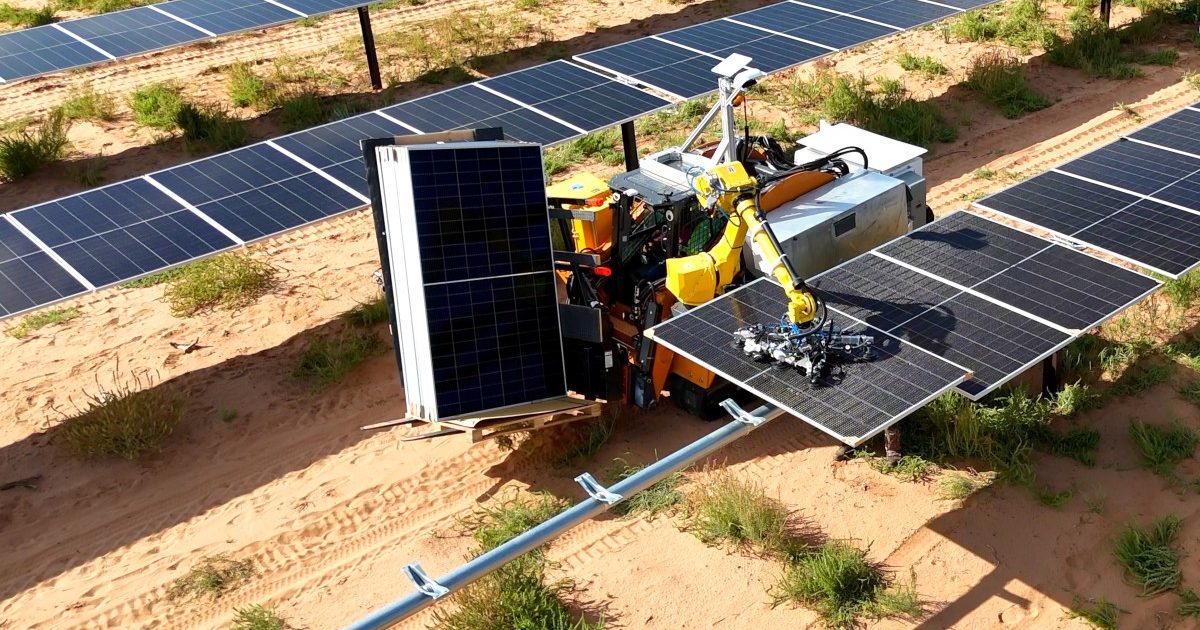
أسّس الشركة اثنان من خريجي جامعة كارنيغي ميلون المتخصصين في الروبوتات، هما الرئيس التنفيذي بونيت بوري والمدير التقني فيشال دوغار. ويقوم نهجهما على فكرة محورية: بدلاً من تصنيع روبوتات مخصصة من الصفر، تعتمد Gritt على معدات جاهزة من السوق — كالحفارات المؤجرة والأذرع الآلية من شركات مثل Kawasaki — وتتولى برمجتها وتشغيلها عبر نماذج ذكاء اصطناعي متطورة.
تتمثل المهمة الأولى التي تؤديها أنظمة الشركة في ثلاث مراحل متسلسلة:
- تفريغ الألواح الشمسية الزجاجية الثقيلة من الشاحنات بأمان.
- نقلها نحو الهياكل المعدنية المخصصة للتركيب.
- وضعها بدقة تصل إلى أجزاء من المليمتر تمهيداً لتثبيتها يدوياً.
والنتيجة لافتة: فريق من ثمانية عمال قادر عادةً على تركيب 800 لوح يومياً، يصل مع أنظمة Gritt إلى تركيب ما بين 3000 و4000 لوح في اليوم الواحد، أي ما يعادل تضاعف الإنتاجية بمقدار أربع إلى خمس مرات.
حضور ميداني وعقود ضخمة
لا تكتفي Gritt بالوعود النظرية؛ فهي تمتلك حالياً نظامين مُنشأين في الميدان، يجمعان البيانات باستمرار لتحسين أدائهما. والأهم من ذلك أن الشركة أبرمت عقوداً لتركيب ما يُعادل 2.8 غيغاواط من الألواح الشمسية خلال الثمانية عشر شهراً المقبلة، وتشمل قائمة عملائها ثلاثاً من أكبر عشر شركات إنشاءات الطاقة في الولايات المتحدة.
وقد أشاد أحد العملاء — فضّل عدم الكشف عن هويته — بقدرة الأنظمة على تسهيل العمل في مواقع نائية يصعب جذب العمالة إليها، مشيراً إلى أن استخدامها سيقلّص الإصابات الناجمة عن رفع ألواح تزن نحو 45 كيلوغراماً بشكل متكرر.
الذكاء الاصطناعي: المحرّك الحقيقي للتحول
يُعزو المؤسسان نجاح هذا النهج إلى الطفرة التي شهدتها نماذج الذكاء الاصطناعي الحديثة. فبينما كانت برمجة الروبوتات لأداء مهمة واحدة ممكنةً جزئياً قبل خمس سنوات، باتت النماذج الراهنة تُتيح إعادة استخدام البنية التحتية ذاتها عبر مهام متعددة. ويضرب بوري مثلاً على ذلك: تدريب النظام على تكديس البلوك الإسمنتي استغرق أسابيع، في حين اقتضى تدريبه على ربط حديد التسليح يوماً واحداً فحسب، باستخدام البرمجيات نفسها.
طموح أبعد من الألواح الشمسية
لا تقف رؤية Gritt عند حدود تركيب الطاقة الشمسية. تخطط الشركة لإضافة مهام تشغيلية جديدة كتثبيت الألواح وحفر الأعمدة وتجميع الهياكل الحاملة. وعلى المدى البعيد، تسعى إلى الدخول في قطاعات إنشائية أخرى كثيفة العمالة، من بينها ربط حديد التسليح قبل صبّ الخرسانة.
لكن الأمر يتجاوز الأعمال اليدوية المتكررة؛ إذ يرى المؤسسون أن شبكة المستشعرات والذكاء المدمج في أنظمتهم قادرة على الإسهام في إدارة المواقع وتحسين القرارات التشغيلية، كرصد الخنادق المكشوفة قبيل العواصم المطيرة أو تنبيه فِرق العمل إلى نواقص في المخزون.
تواجه Gritt منافسة من شركات متخصصة في روبوتات تركيب الألواح مثل Luminous Robotics وCosmic وTrinabot الصينية، إلا أن الاعتماد على الأجهزة الجاهزة قد يمنحها ميزة التوسع بتكلفة أخف وبخطى أسرع. ويبدو أن المعركة الحقيقية ستُحسم في السوق قبل أن تُحسم في مختبرات التصميم.
✦ بقلم فريق دروب أيديا
دروب أيديا - DROPIDEA
نأمل أن تكون هذه المقالة قد أضافت لك قيمة حقيقية. في دروب أيديا نسعى دائمًا لتقديم محتوى عربي عالي الجودة يساعدك على النمو والتطور في المجال الرقمي. تابعنا للمزيد من المقالات والشروحات المفيدة.
الوسوم
الأدمن
DROPIDEA
أحدث المقالات
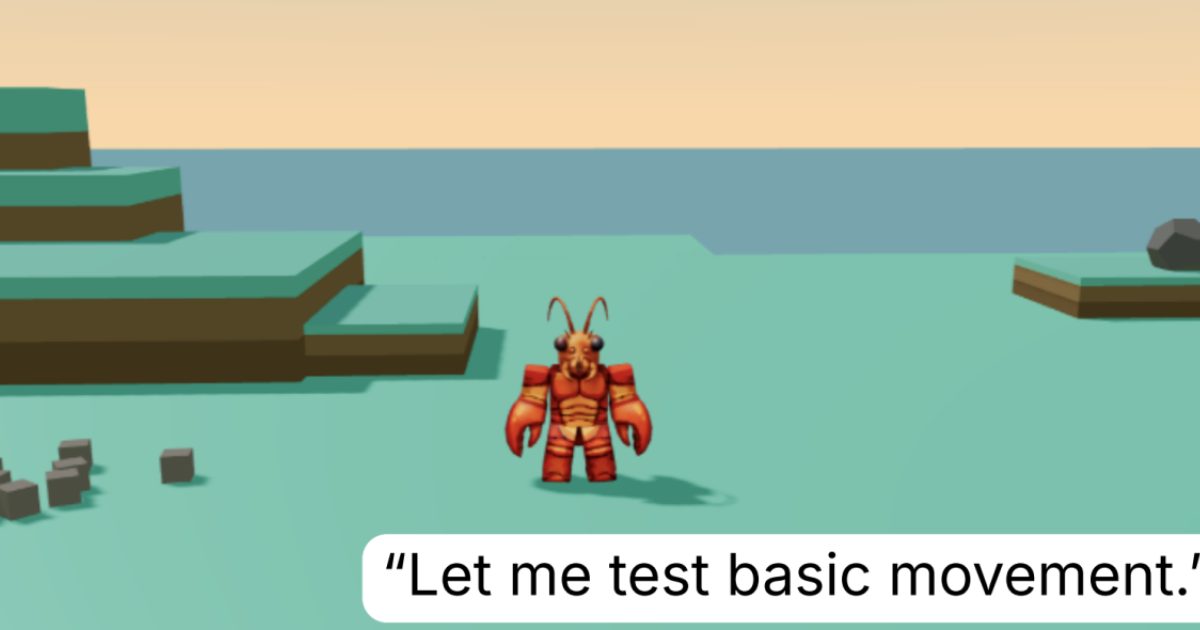
عندما تُترك وكلاء الذكاء الاصطناعي بلا مهمة… فإنها تبدأ باللعب

inDrive تخطط لتجربة سيارات أجرة ذاتية في كازاخستان عام 2027
بلاكستون: مخاوف ديون بناء الذكاء الاصطناعي مُبالغ فيها
أنثروبيك تقترح قانوناً لسلامة الذكاء الاصطناعي بمعايير صارمة