رهان بـ2.3 مليار دولار: ألعاب الفيديو مفتاح تدريب روبوتات المستقبل
 بقلم الأدمن
عندما يتحول لاعب افتراضي إلى روبوت حقيقي
في مكتب شركة «جنرال إنتويشن» بنيويورك، تُعرض مشهدان متوازيان: على شاشة كمبيوتر، يقوم عميل ذكاء اصطناعي بلعب Fortnite دون توقف منذ مئة ساعة متواصلة. وفي ممر مجاور، يتجول روبوت رباعي الأرجل بكاميرا واحدة تقوده، يستكشف المحيط ويتعلم كيف يتجنب الكراسي وسلال المهملات — تماماً كطفل يكتشف لأول مرة حدود جسده في الفضاء المحيط.
الأمر اللافت ليس وجود الروبوت ولا العميل الافتراضي، بل أن عقلاً واحداً يُدير كليهما. هذه الفكرة هي جوهر رهان ضخم يستقطب اليوم تمويلاً بمليارات الدولارات.
جولة تمويل تُثبّت مكانة الشركة
أعلنت «جنرال إنتويشن» عن إغلاق جولة تمويلية بقيمة 320 مليون دولار، رفعت تقييمها إلى 2.3 مليار دولار. وبذلك يبلغ إجمالي التمويل المُعلَن عنه 454 مليون دولار، شاملاً جولة الإطلاق البالغة 134 مليون دولار في أكتوبر الماضي.
قادت الجولة شركة Khosla Ventures، بمشاركة General Catalyst، إضافة إلى مستثمرين بارزين من بينهم جيف بيزوس وإريك شميت، وباحثون من Google DeepMind وMIT.
من مقاطع ألعاب الفيديو إلى فهم العالم
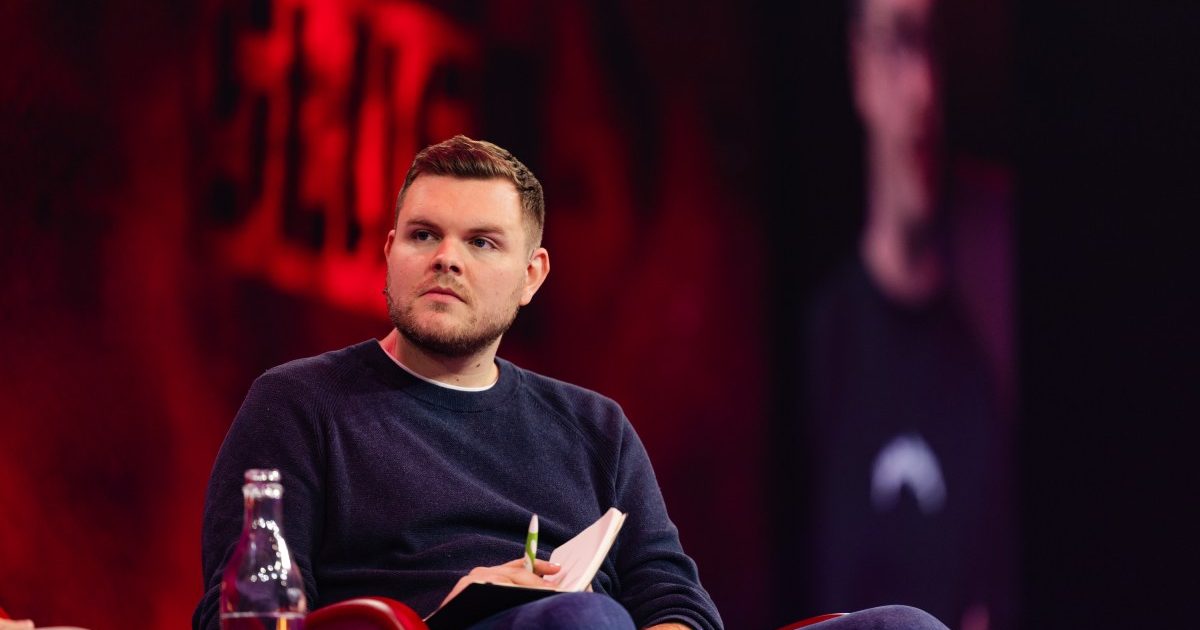
قصة الشركة تبدأ من «ميدال» Medal، منصة يملكها المؤسس والرئيس التنفيذي بيم دو ويتي (31 عاماً)، تتيح للاعبين رفع مقاطع الألعاب ومشاركتها. راكمت المنصة مئات الملايين من ساعات اللعب، وهو ما شكّل البيانات الأساسية لتدريب نموذج «جنرال إنتويشن» على التفكير المكاني الزمني — أي كيفية الحركة والتنقل عبر الفضاء والزمن.
لكن السر لا يكمن في مقاطع الفيديو بحد ذاتها، بل في طبقة خفية داخلها: تسجيلات دقيقة لكل زر ضغطه اللاعب ولحظة ضغطه. يرى دو ويتي أن معظم المنافسين يحاولون استنتاج الإجراءات من الفيديو وحده — وهو نهج يعتبره قاصراً. هذه البيانات السلوكية الدقيقة تمنح النموذج قدرة فريدة على التمييز بين «الذات» و«البيئة»، مما يُعمّق فهمه للسببية والتفاعل مع العالم.
بيئة تدريب، لا منتج ترفيهي
طوّرت الشركة ما تسميه «النموذج العالمي»: بيئة محاكاة تُولَّد إطاراً بإطار عوضاً عن الاعتماد على محركات ألعاب تقليدية. وقد بيّنت التجارب أن هذا النموذج يفهم بعمق القواعد الفيزيائية المحيطة: الجدران صلبة، والسلالم للتسلق، والظلال تمتد بحركة الشمس.
غير أن هذه البيئة المحاكاة ليست المنتج النهائي؛ إنها «الصالة التدريبية» كما يُسميها الفريق داخلياً. المنتج الحقيقي هو النموذج العاملي القادر على التصرف في العالم الفعلي، سواء داخل لعبة أو داخل مصنع أو شارع مزدحم.
ودليلاً على قابلية التعميم، تطلّب ضبط النموذج الدقيق لتشغيل الروبوت الرباعي ثماني دقائق فحسب من بيانات العالم الحقيقي — وقد جُمعت في الشارع، لا في المبنى الذي ينتقل فيه الروبوت لاحقاً.
لماذا يثق المستثمرون بهذا الرهان؟
يرى فينود خوسلا، مؤسس Khosla Ventures، أن البيانات السلوكية المستخلصة من الألعاب هي المفتاح الذي يُميّز «جنرال إنتويشن» عن سواها:
- ظهور «الحدس» في الذكاء الاصطناعي: يقارن خوسلا هذه المرحلة بظهور التفكير المنطقي في نماذج اللغة الكبيرة، معتبراً إياها قفزة نوعية مماثلة.
- بيانات ملكية لا تُضاهى: المئات من ملايين ساعات اللعب مع بيانات الأفعال المرتبطة بها تمنح الشركة ميزة تنافسية يصعب تكرارها.
- قابلية التوسع: بينما تتطلب معظم مناهج الروبوتات جمع بيانات ميدانية مكلفة وبطيئة، يُوفر اللعب بيئة تدريب رخيصة وقابلة للتوسع بلا حدود عملياً.
الخطوات القادمة والتحديات المنتظرة
ستُوجَّه غالبية أموال التمويل نحو توسيع القدرة الحسابية عبر شراكة مع CoreWeave، مع التركيز على التدريب المسبق للإصدار التالي من النموذج. كما خُصص جزء منها لإتاحة واجهة برمجية API بصورة أوسع قبل نهاية الصيف.
بيد أن التحديات قائمة: «جنرال إنتويشن» ليست الوحيدة في هذا السباق، وإثبات أداء النماذج العالمية في تطبيقات حقيقية وعلى نطاق واسع لا يزال اختباراً لم يُجتَز بعد. ولا يبدو المؤسسون ولا مستثمروهم في عجلة لإثبات ذلك عبر صفقة استحواذ؛ فهم يراهنون على أن ما يبنونه قد يُصبح العمود الفقري لجيل جديد من الذكاء الاصطناعي المُجسَّد والعوالم المحاكاة.
✦ بقلم فريق دروب أيديا
دروب أيديا - DROPIDEA
نأمل أن تكون هذه المقالة قد أضافت لك قيمة حقيقية. في دروب أيديا نسعى دائمًا لتقديم محتوى عربي عالي الجودة يساعدك على النمو والتطور في المجال الرقمي. تابعنا للمزيد من المقالات والشروحات المفيدة.
الوسوم
الأدمن
DROPIDEA
أحدث المقالات
هل تصيّد ماسك إطلاق أداة «Dots» من OpenAI عبر نطاق dot.com؟

بيك إكس في ترفع سقف استثماراتها البذرية إلى 5 ملايين دولار

عشاء مرتقب بين رئيس أنثروبيك ودونالد ترامب وسط خلافات حول أمان الذكاء الاصطناعي

جوجل تختبر الشراء المباشر من فليبكارت عبر Gemini في الهند