ماهو مصطلح Blocking وكيف يقوم صناع الأفلام بإختيار أماكن الممثلين وحركتهم في المشاهد
 بقلم الأدمن
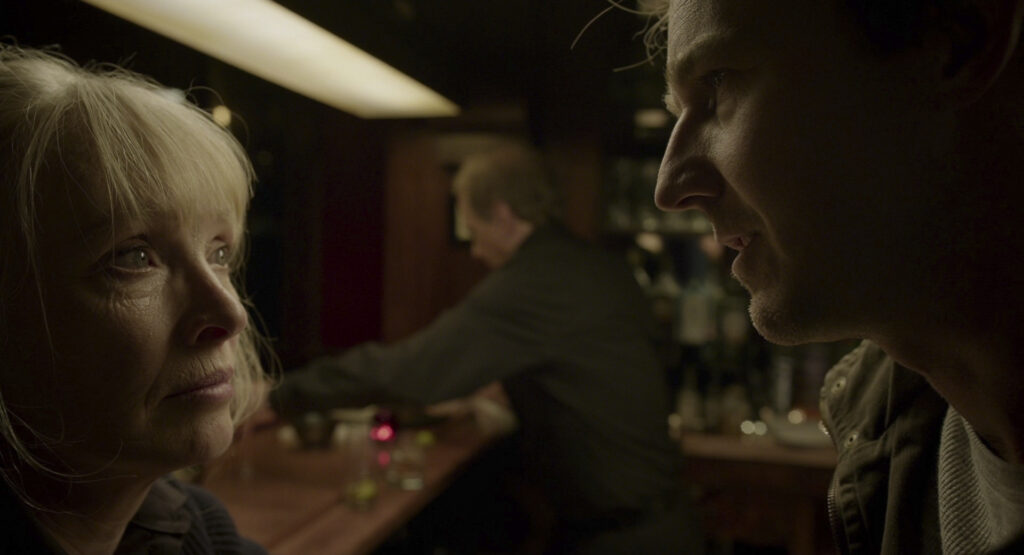
تحدثنا في المقالات السابقة في تصنيف سينماتوغرافي عن آلية توزيع الإضاءة وتموضعها بالنسبة للكاميرا وللممثل، كما تحدثنا عن آليات ضبط التعريض بالشكل الصحيح، واليوم سنتحدث معاً عن آلية تموضع وحركة الممثلين في موقع التصوير بالشكل الصحيح، والتي تسمى الحجب – Blocking، وكيف يقوم صناع الأفلام بالتخطيط مسبقاً لهذا الموضوع. ماهو الحجب – Blocking تتحرك العين البشرية حول المكان الذي نتواجد به عادةً وتستطلع وتشاهد ما تشاهده بناءً على الخطوط الرئيسية ونقاط التركيز لاشعورياً، في السينما يحرص صناع الأفلام على إستغلال تلك الطرق وتطويرها بحيث يتم جذب عين المشاهد في اتجاه معين في الصورة من خلال مايسمى Staging أو أسلوب العرض .
ترمز كلمة Staging إلى الأشياء التي تظهر في المشهد بالشكل العام، أماكن تموضعها، وآلية حركتها، وزواياها، وتكوينها ، هناك العديد من أنواع التكوينات التي تسهم في جذب عين المشاهد نحو مجموعة من النقاط في المشهد، كمثال الأشكال الهندسية المنتظمة كالمستطيلات أو الأشكال الحلزونية أو ما يسمى بالقاعدة الذهبية، أو حتى من خلال زاوية الغرفة . المصور السينمائي هو الشخص الذي ليده كمية كبيرة من الأمثلة ولديه تغذية بصرية غزيرة من الممكن أن يستخدمها لخلق تلك التكوينات، ولكن يجب عليه أولاً معرفة ما الذي يحاول المخرج تحقيقه مع الممثلين أثناء تدريبهم على حركاتهم وأدائهم ضمن موقع التصوير، ومنها فإن مهمة المصور السينمائي هي التقاط ذلك الأداء من خلال التركيز على حركة الكاميرا، استخدام الإضاءة وزواياها، وغيرها من الأداوت بحيث يساعد الجمهور على الإحساس بما يعبّر عنه الممثلون.
يعمل مدير التصوير – المصور السينمائي مع المخرج جبناً إلى جنب لتحقيق أفضل صيغة من أسلوب العرض أو Staging، بحيث توفر الصيغة النهائية أفضل طريقة للتعبير وعرض الأداء بالشكل الصحيح، كذلك توافقية ذلك الأداء مع أماكن الكاميرا والإضاءة بحسب موقع التصوير، كآلية إستغلال النوافذ وغيرها. لذا فإن الحجب – Blocking هو آلية حركة الممثلين ومواقعهم في موقع التصوير، وفقاً للسيناريو، ولحركة الكاميرا، والإضاءة وغيرها. الحجب – Blocking وقاعدة مثلثات الماكاي كما تكلمنا في بداية المقالة، هنالك العديد من الطرق لإتخاذ التكوينات السينمائية وعرض المشهد، لكن في الحقيقة كلما زاد عدد الممثلين في المشهد، كلما أصبح تصوير اللقطة أكثر تعقيداً، لذا لجأ صناع الأفلام إلى إعتماد طريقة بسيطة لإلتقاط المشاهد، وذلك من خلال حصر الممثلين وأدائهم في مجموعة من المثلثات الغير مرئية تسمى مثلثات الماكايا، التي تربط العناصر من خلال حركة الكاميرا وزواياها وحركة الممثلين وتموضعهم.
مثال تحليلي في المثال ادناه من فيلم “ Knives Out “، في المشهد الحواري يوجد لدينا 5 ممثلين في موقع التصوير، مايعني أن تغطية حركة الممثلين وأدائهم في المشهد ستكون مُعقدة، نلاحظ كيف إستطاع المصور السينمائي ستيف يدلين – Steve Yedlin إستخدام مجموعات من المثلثات لحصر حركة الممثلين ضمن اللقطات : |||
نود تنبيهكم لوجود حرق للإحداث في المقطع التالي قبل مشاهدته ||| اذا ما قمنا بتحليل المشهد أعلاه، نلاحظ إستخدام مكثف للمثلثات في آلية حركة الممثلين وتموضعهم في المشهد، حيث نلاحظ إستخدام مثلثين لتغطية المشهد ككل، مثلث للممثلين الأساسيين (الأصفر)، ومثلث يضم الممثلين الثانويين في المشهد (الأرجواني)، مع قطع متناوب في ما بينهما. التناوب بين المثلثين تم بحسب طبيعة اللقطات في النص بشكل عام، حركة الممثلين الأساسيين تمت تغطيتها ضمن المثلث الأول، ثم يتم الإنتقال بشكل متكرر للمثلث الثاني والذي يضم الممثلين الثانويين: في كل مرة يريد المخرج الإنتقال بين المثلثين يقوم بالقطع إلى لقطات مفردة بقياس ميديوم
مع المحافظة على إستمرارية المشهد من خلال قاعدة 180 درجة ، أو من خلال إظهار الممثل في كل من المجموعة الأولى والثانية من المثلثات. لاحظ حركة الممثل رقم 1 بين اللقطتين : في حين يحافظ المخرج على لقطات ردود الفعل من خلال الإنتقال بين الحوار الحاصل بين الممثلين الأساسيين، إلى لقطة تظهر الممثلين الثانويين، بحيث يتشكل لدينا صيغة أعقد من المثلثات كون النقطة الثالثة من المثلث هي ما ينظر إليه الممثلون وهو الحوار الأساسي خارج اللقطة: من خلال العلاقة السابقة بين اللقطات وتوزيع الممثلين بحسب تلك المثلثات نتعرف إلى إحدى الطرق في تغطية حركة الممثلين في الفيلم ، في الحقيقة هناك عدد لا حصر له من الطرق لتغطية مشهد ما وتحريك الكاميرا لعرض أداء الممثلين، لذا فمشاهدة وتحليل المشاهد من الأفلام ستكون أفضل مدرسة عملية لإستنتاج طرق وآليات العرض الصحيح. في هذه المقالة المختصرة أحببنا الحديث بشكل مخصص عن دور مثلثات الماكاي في تغطية حركات وأداء الممثلين في المشاهد، الحديث في آليات وطرق التغطية كثيرة ومتشعبة وتطول مع ذكر المزيد من الأمثلة، لذا إن أحببتم التعمق أكثر عن الموضوع، إختاروا مشهداً ما من فيلم تودون تحليله، ثم إبدأوا بتعيين المثلثات الموجودة في المشهد، راقبوا حركة الممثلين، والقطعات الموجودة في المشهد، وكيف أنها تتكامل مع بعضها البعض لتشكل لنا المادة النهائية التي نشاهدها على هيئة فيلم بنسق متكامل واحد.
أود تذكيركم أنه في حال وجدتم أي إستفسار، بإمكانكم إرسال إستفساراتكم عبر حساباتنا في مواقع التواصل الإجتماعي فيسبوك ، تويتر ،
إنستاغرام ، كما بإمكانكم الإشتراك بقناة التلغرام ليصلكم محتوى حصري ومتابعة جديدنا أولاً بأول.
دمتم مبدعين. هل أعجبتك المقالة ؟ شاركها مع أصدقائك ..
دروب أيديا - DROPIDEA
نأمل أن تكون هذه المقالة قد أضافت لك قيمة حقيقية. في دروب أيديا نسعى دائمًا لتقديم محتوى عربي عالي الجودة يساعدك على النمو والتطور في المجال الرقمي. تابعنا للمزيد من المقالات والشروحات المفيدة.
الأدمن
DROPIDEA
أحدث المقالات
هل تصيّد ماسك إطلاق أداة «Dots» من OpenAI عبر نطاق dot.com؟
بيك إكس في ترفع سقف استثماراتها البذرية إلى 5 ملايين دولار
عشاء مرتقب بين رئيس أنثروبيك ودونالد ترامب وسط خلافات حول أمان الذكاء الاصطناعي
جوجل تختبر الشراء المباشر من فليبكارت عبر Gemini في الهند