From OpenAI to SpaceX: Why Are Tech Giants Racing to Build Their Own Chips?
 By Admin
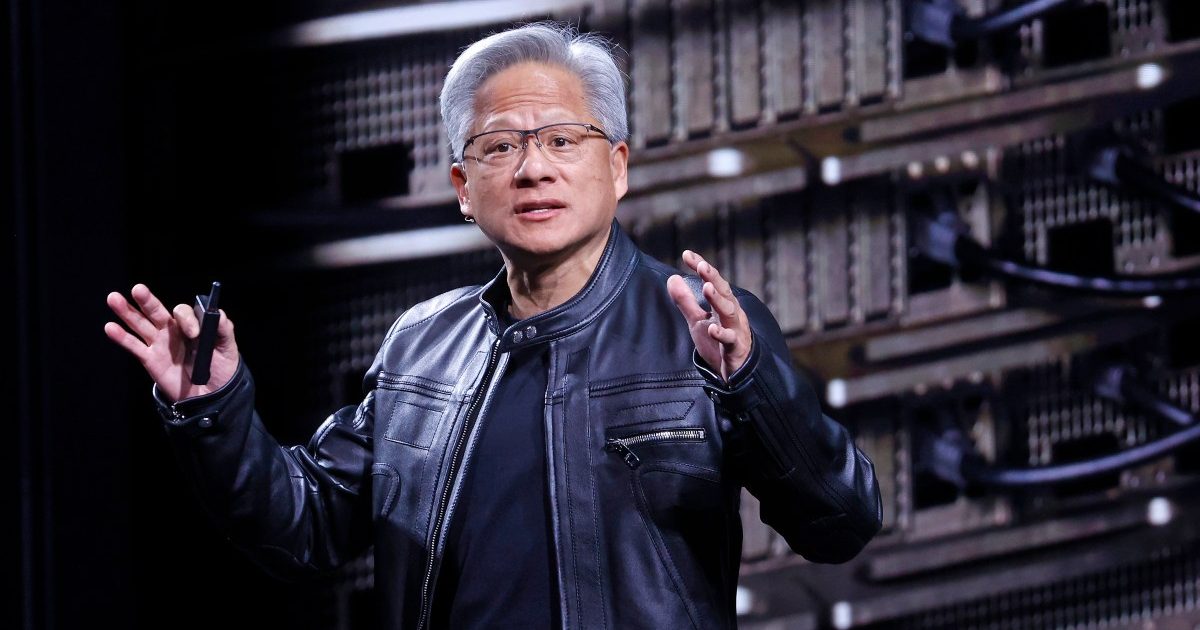
The End of Monopoly?
For many years, Nvidia dominated the AI chip market in an almost absolute fashion, with its graphics processing units (GPUs) becoming the backbone for training large language models and running AI applications around the world. Yet the landscape has quietly begun to shift, as a striking trend gains momentum: major tech companies are increasingly designing their own chips rather than relying on a single supplier. Are we witnessing the beginning of the end of Nvidia's dominance?
OpenAI Enters the Chip Race with "Jalapeño"
OpenAI recently unveiled plans to launch a custom inference chip codenamed "Jalapeño," developed in collaboration with Broadcom. This move places OpenAI among a growing roster of prominent names — including Google, Apple, and SpaceX — each of which has taken the same path toward silicon independence.
This shift does not represent a clean break from Nvidia so much as a strategy of hedging and diversifying supply. Companies are not looking to eliminate their reliance on external vendors overnight; rather, they are building an additional layer of flexibility that allows them to control their own technical tools and shape their infrastructure to meet their specific needs.
What Do Companies Gain from Custom Chips?
There are clear motivations behind this strategic shift, which can be summarized as follows:
- Full control: Custom chips give companies complete ownership over the product lifecycle — from design all the way through to deployment and updates.
- Enhanced performance: When a chip is designed for a specific task, it outperforms general-purpose solutions in efficiency, speed, and power consumption.
- Risk reduction: Reducing dependence on a single supplier mitigates the impact of any supply chain disruption or sudden price increase.
- Sustainable competitive advantage: It is difficult for competitors to replicate the performance of a technology platform built from the ground up to suit a specific product.
Apple's Lesson with Intel: A Model Worth Following
Perhaps the most compelling real-world example of this approach is Apple's landmark decision to abandon Intel processors and transition to its own Apple Silicon chips. This was far more than a technical shift — it delivered a qualitative leap in performance and energy efficiency, and enabled Apple to control its product development roadmap free from the constraints of an external supplier's schedule. This is precisely the model that today's AI companies are aspiring to replicate.
What Does This Mean for Nvidia?
Although Nvidia currently maintains a position of strength, the accumulation of these initiatives casts a shadow over its long-term growth trajectory. When its largest customers begin building internal alternatives, demand for its products will inevitably decline over time. And while Nvidia still holds the lead in absolute performance, the performance gap between its chips and custom alternatives is gradually narrowing in specific application domains, such as inference and large-scale deployment.
A New Era in AI Infrastructure
The coming phase appears set to be characterized by a plurality of silicon ecosystems rather than single-vendor dominance. Companies will rely on a blend of custom chips for mission-critical tasks while retaining Nvidia solutions for general workloads and intensive training. This new balance could redraw the market map and reshape cost structures across the AI sector over the next few years.
Ultimately, the question is not who defeats Nvidia, but how a more diverse and resilient ecosystem takes shape in the world of AI chips — a transformation that may well benefit everyone in the long run.
✦ بقلم فريق دروب أيديا
DROPIDEA
We hope this article has added real value to you. At DROPIDEA, we always strive to deliver high-quality content that helps you grow and evolve in the digital space. Follow us for more useful articles and guides.
Tags
Admin
DROPIDEA
Latest Articles

OpenAI's Jalapeño Chip: Is NVIDIA's Dominance Coming to an End?

AI Regulation: An Industry-Wide Battle, Not a Two-Company Rivalry

OpenAI Recruits Senior Executive to Lead Its Largest Market Outside the US

GPT-5.6: When Government Steps In to Control the Release of the Most Powerful AI Models